Sleeper buses in Vietnam are not messing around. Shoes off and into a plastic bag before boarding, a private bed with a blanket, pillow, water, a small TV screen and a privacy curtain, all made for perfect privacy and comfort. And the price? €15.00 per person. We actually didn’t even need a sleeper bus, because Sa Đéc is only about 3 hours away from Rạch Giá, but this was the only option for our route. We let the bus driver know we want to get off in Sa Đéc, and off we went.
Three hours later, we were unceremoniously dropped off at a gas station on the outskirts of town. We were craving a bowl of Pho and a shower, but first we needed to get to our homestay. A quick check on Google Maps showed that the distance was about 3.5 km, and that it would take us about 45 minutes to walk there. We needed a taxi.
Alex started experimenting with different taxi apps — Xanh SM, Mai Linh, Grab, you name it — but no cars were available on either. Our first little hint that things are not that easy in the Mekong Delta, and that we might have to get a bit more creative with our transportation. After what felt like forever, we finally found a local, metered taxi.
The cute little homestay that we had booked was located a bit outside the main road in a residential maze of houses and very narrow streets. The driver, clearly knowing this area well, took us to the beginning of the “maze” and with a hopeful smile motioned for us to get out of the car! The smile quickly went away and was replaced by a shake of the head when we showed him the map and pointed to the location of our homestay, tucked neatly in the middle of the area. There was simply no way we were going to walk such a distance with our heavy backpacks in the midday heat. Despite the lack of enthusiasm, he manouvered the car through the turns of the narrow roads and took us right in front of the door of the homestay. Seeing that Google Maps was missing quite a bit of data from this location, we were glad he did because otherwise we would have struggled to find the place. We were greeted by our lovely landlady who showed us to the room.
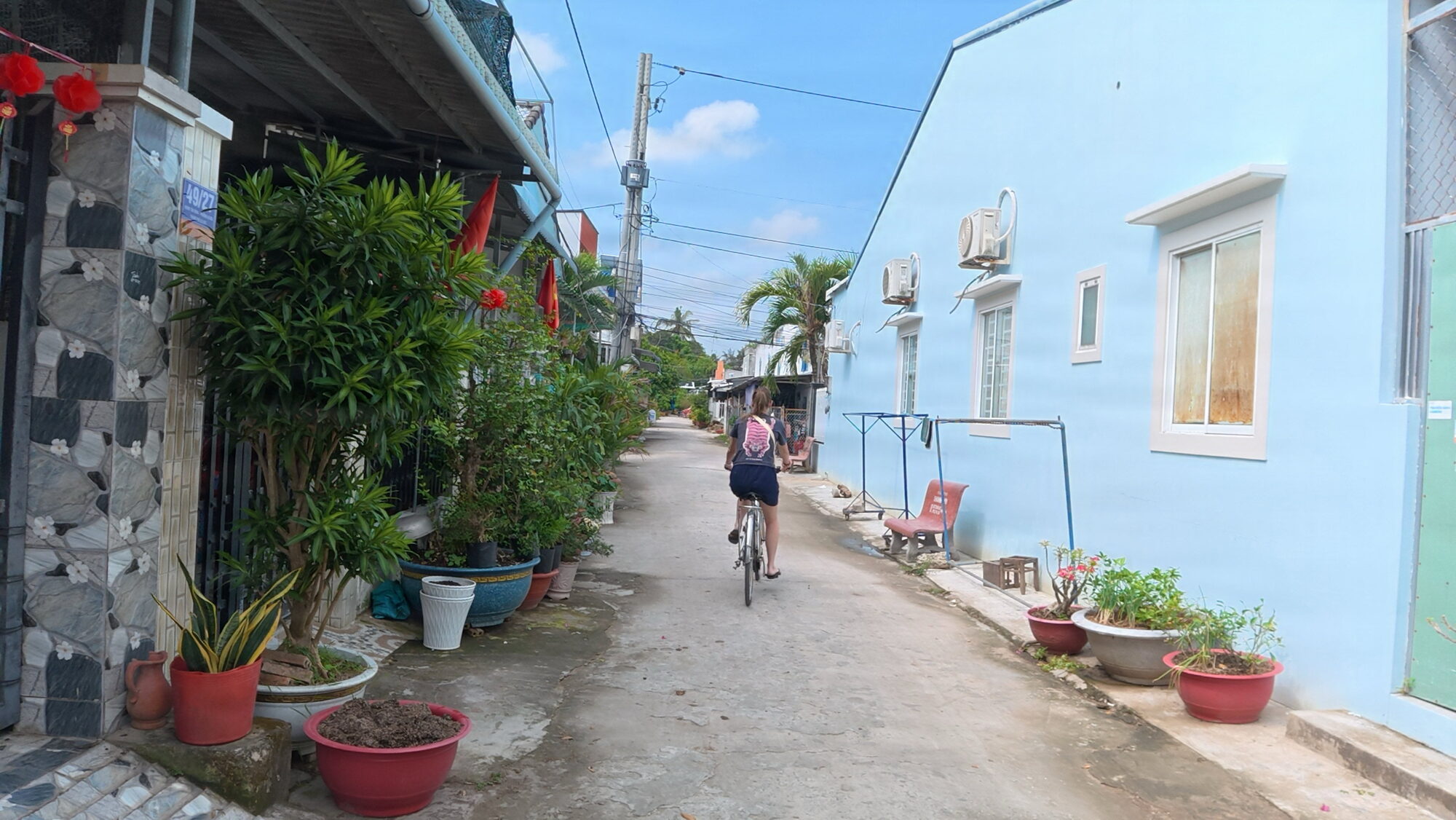
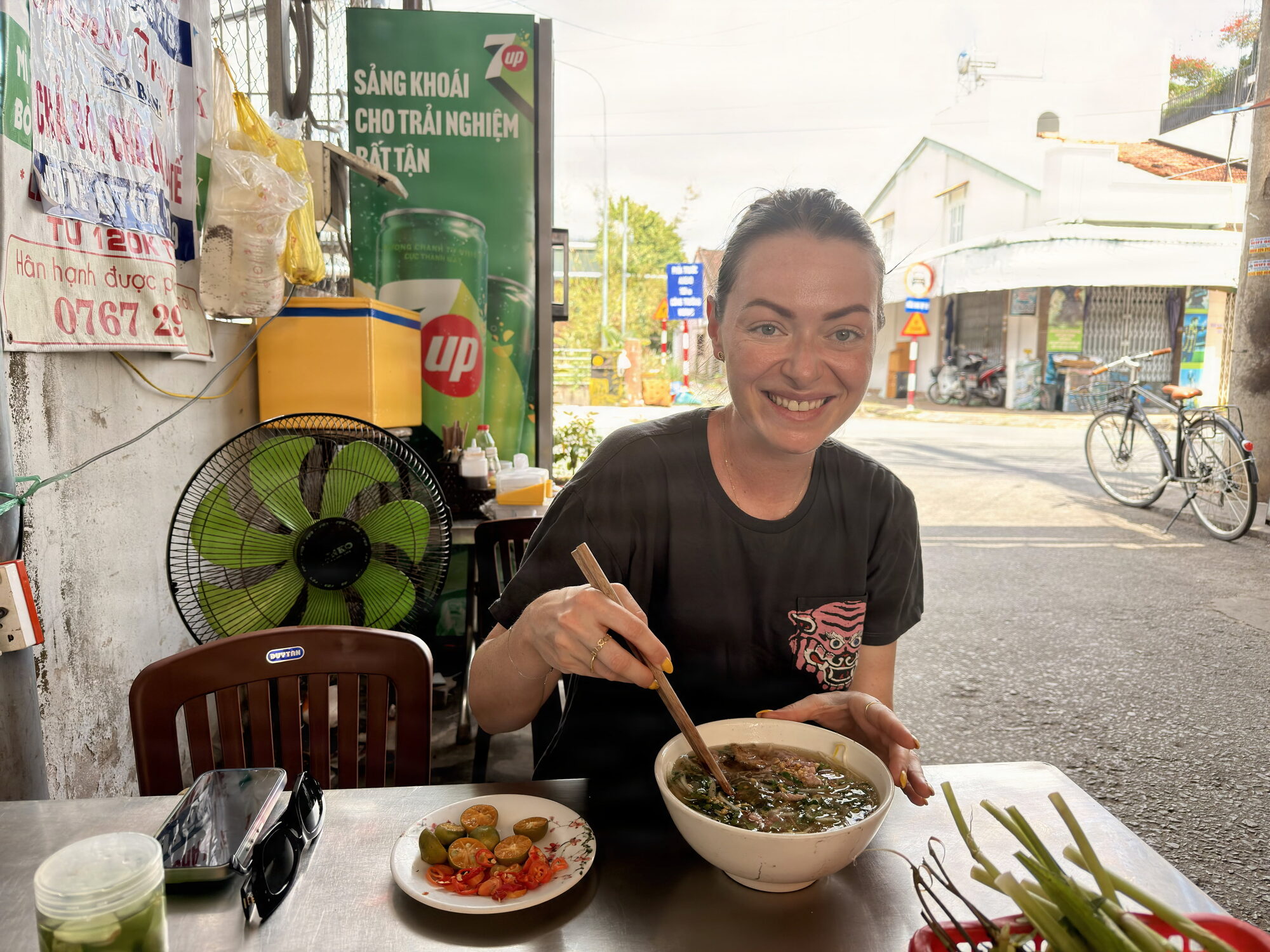
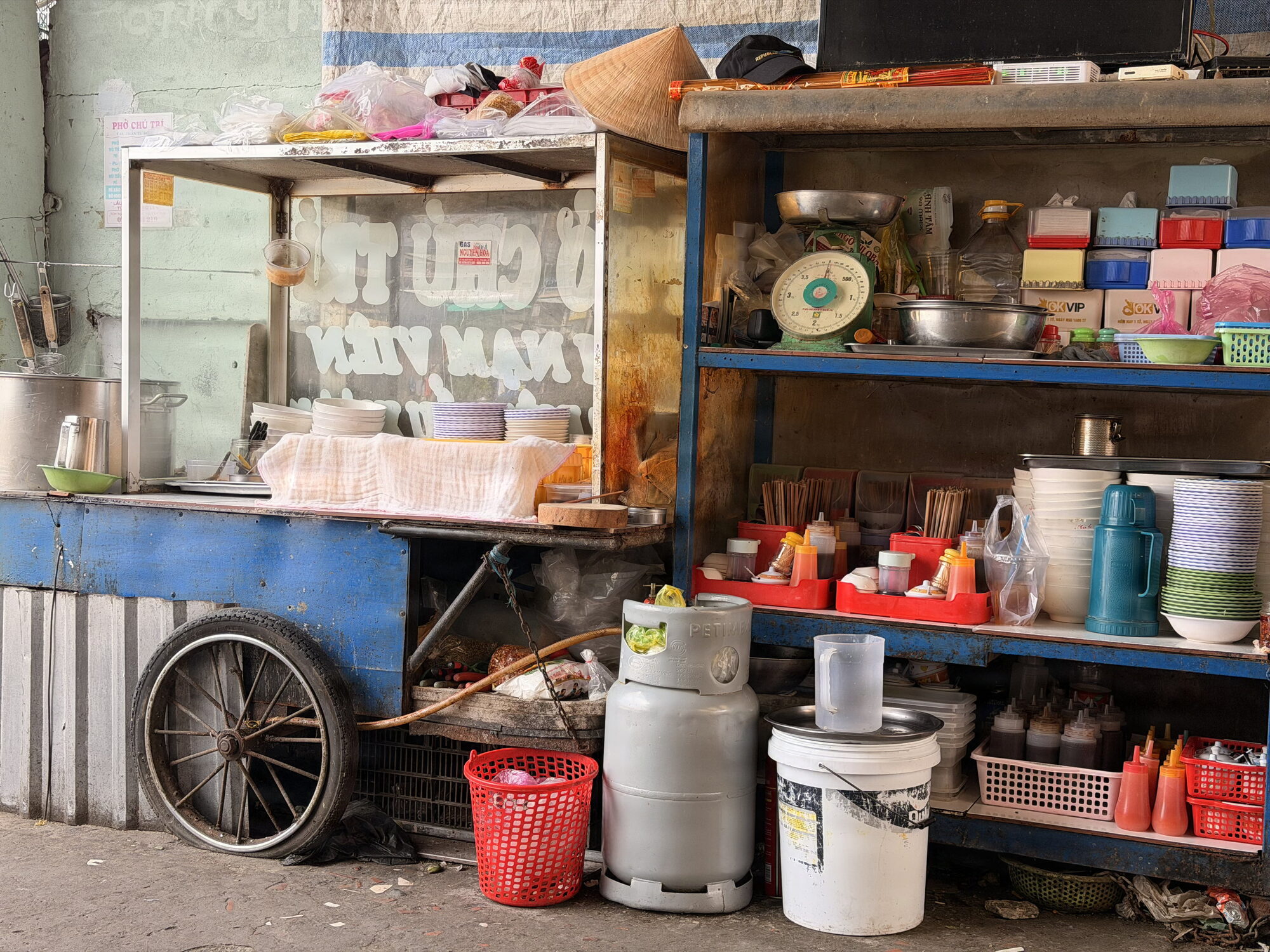
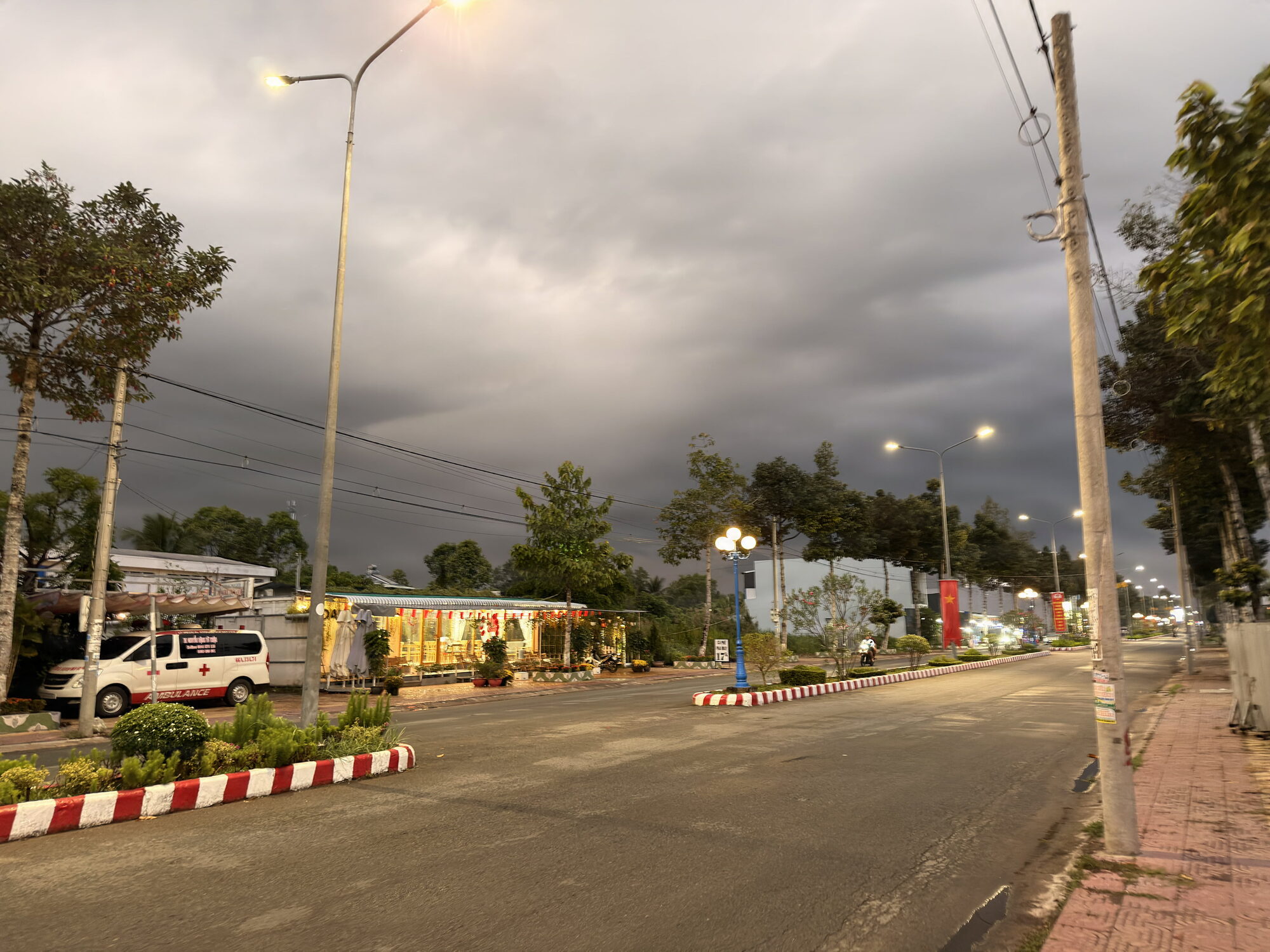
After a quick shower, the hunger was unbearable, so we decided to head to the city. Downstairs were two bikes waiting for us. Good food was not hard to find.




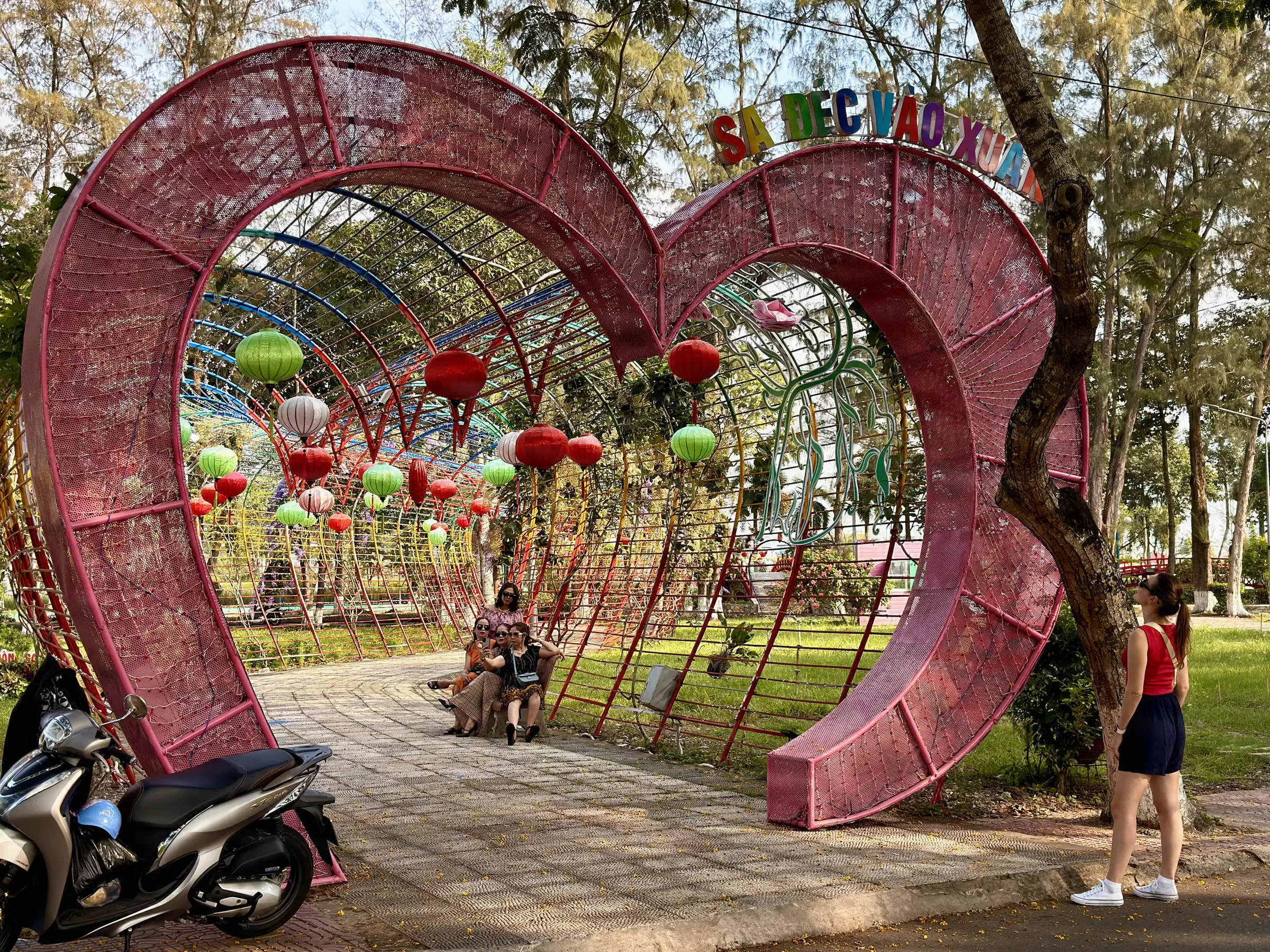
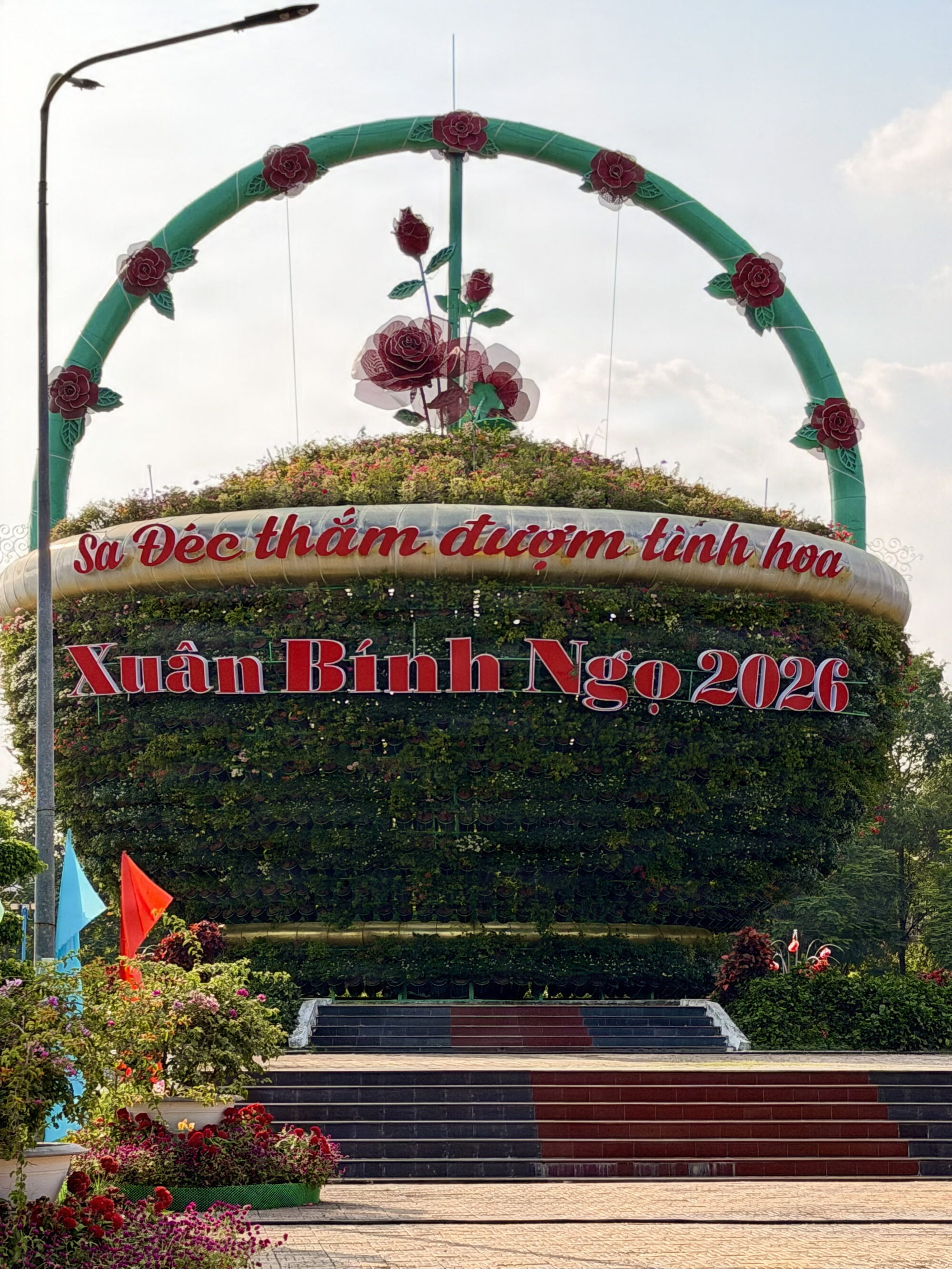
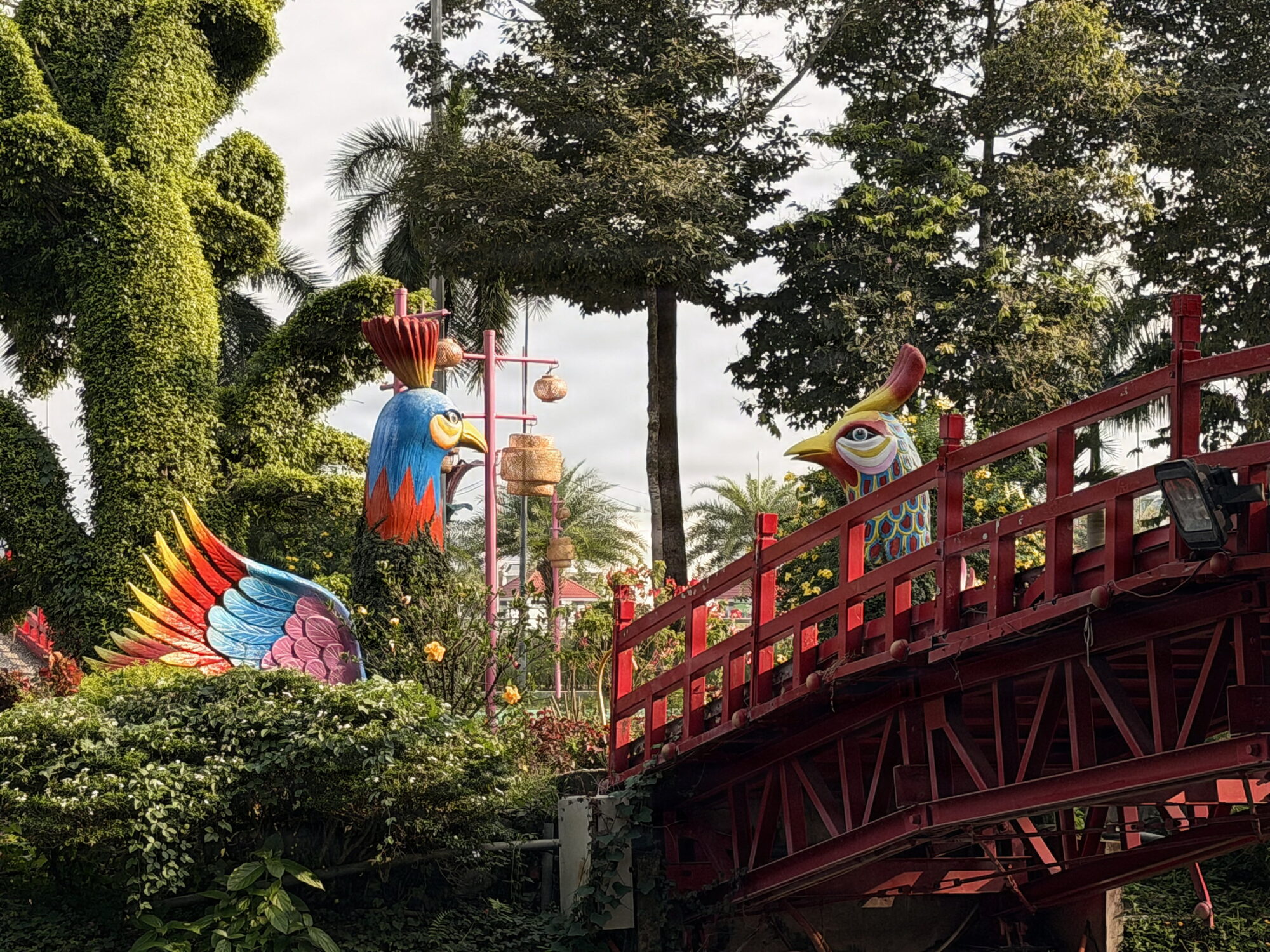
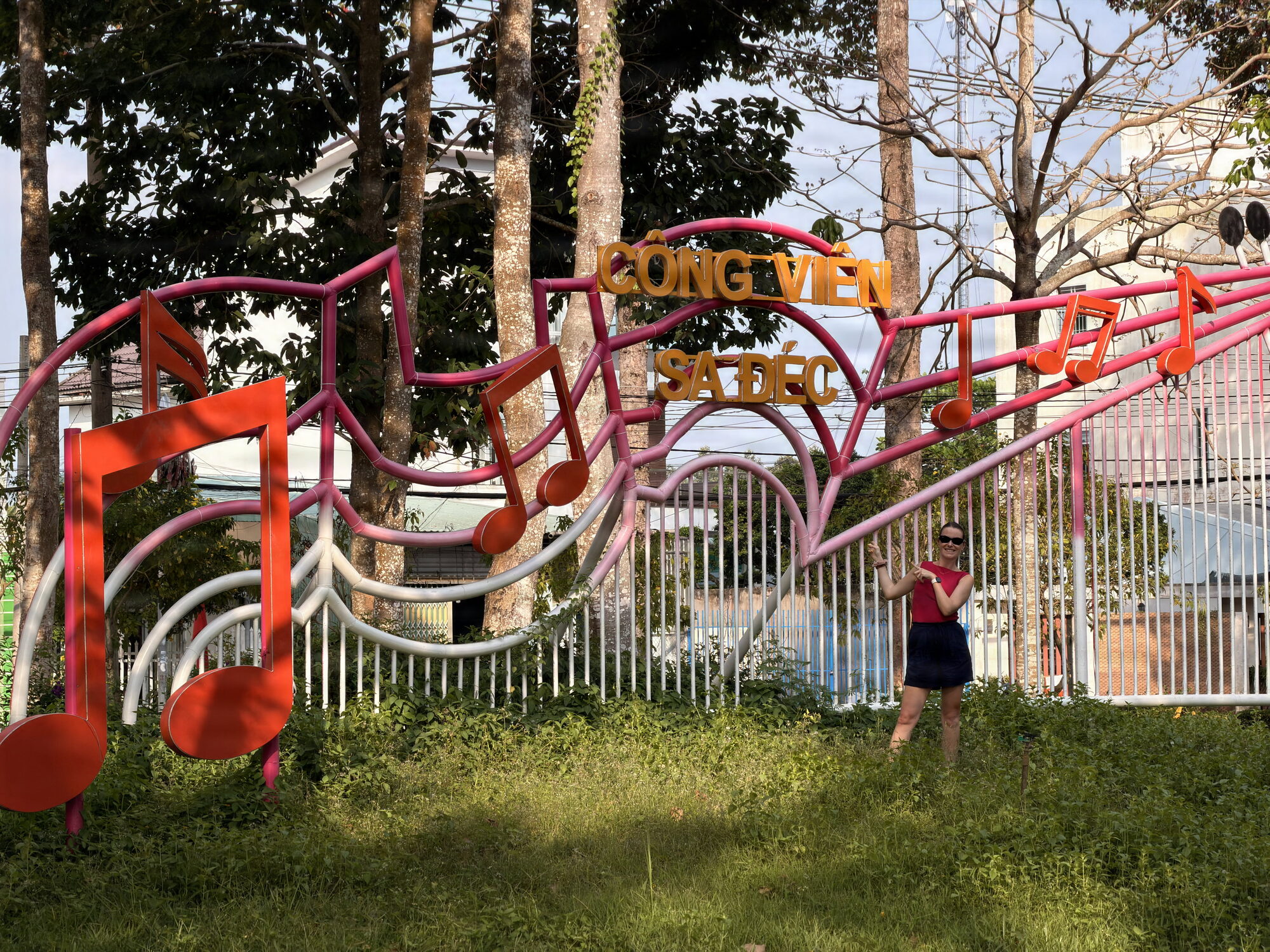
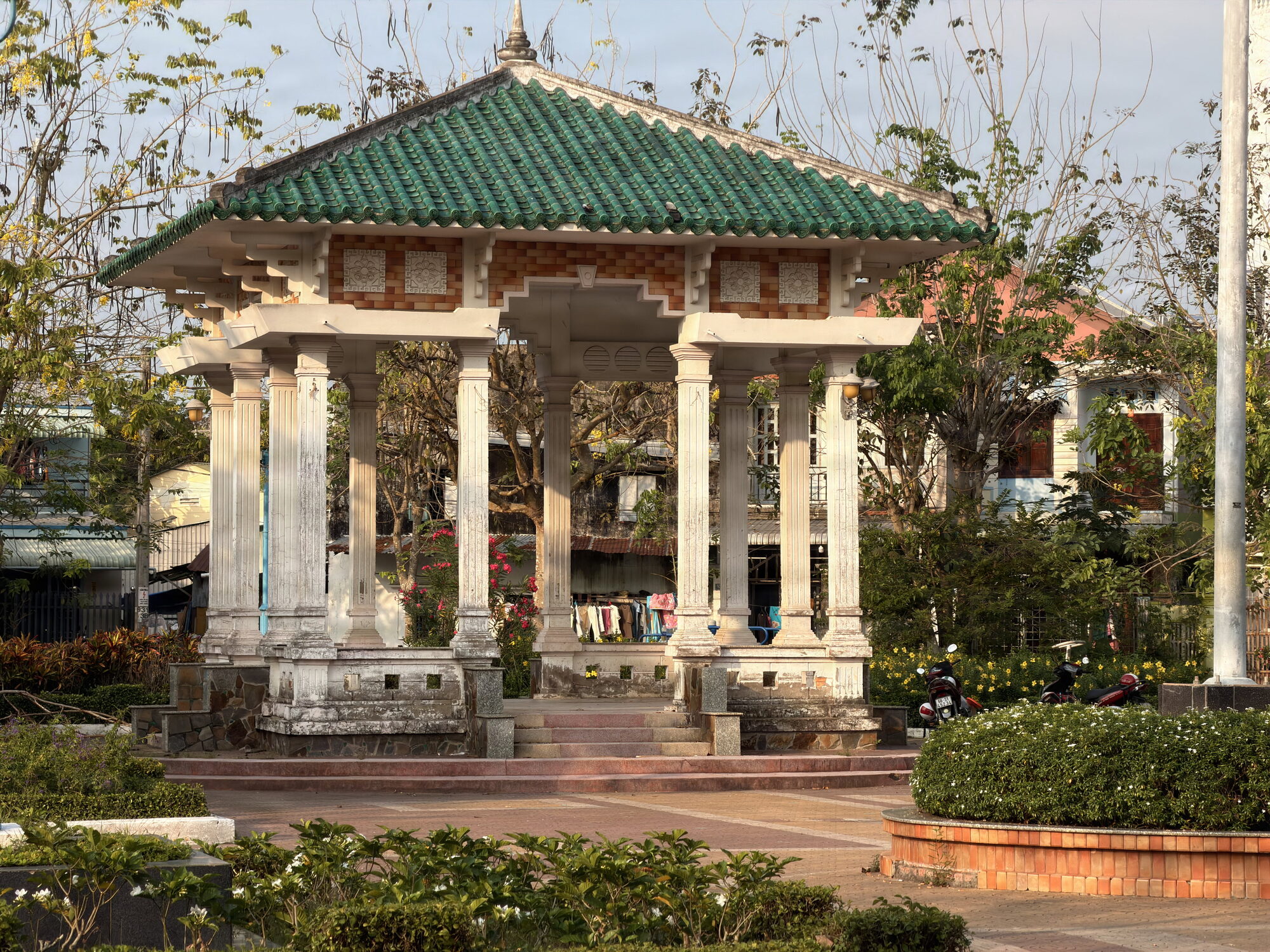
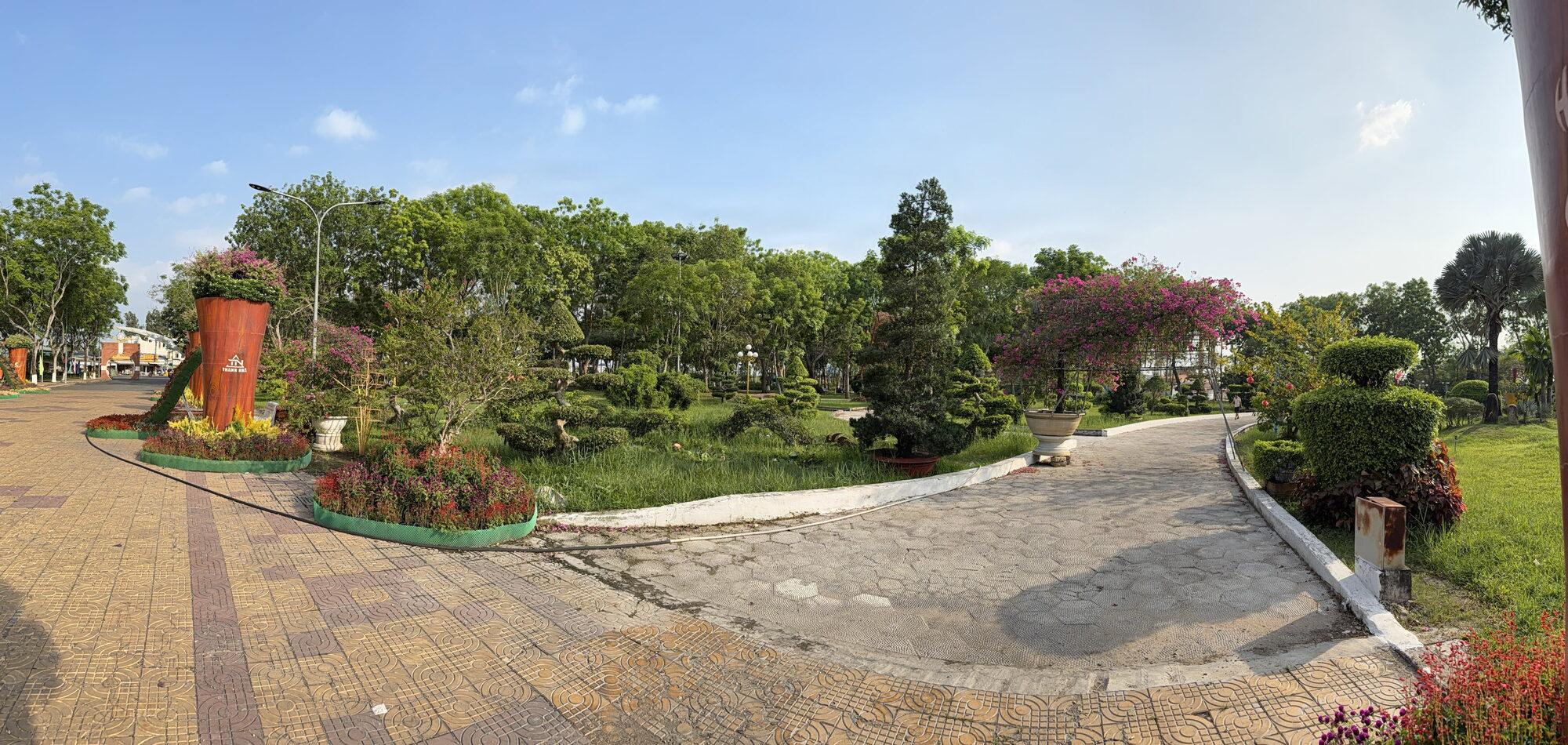
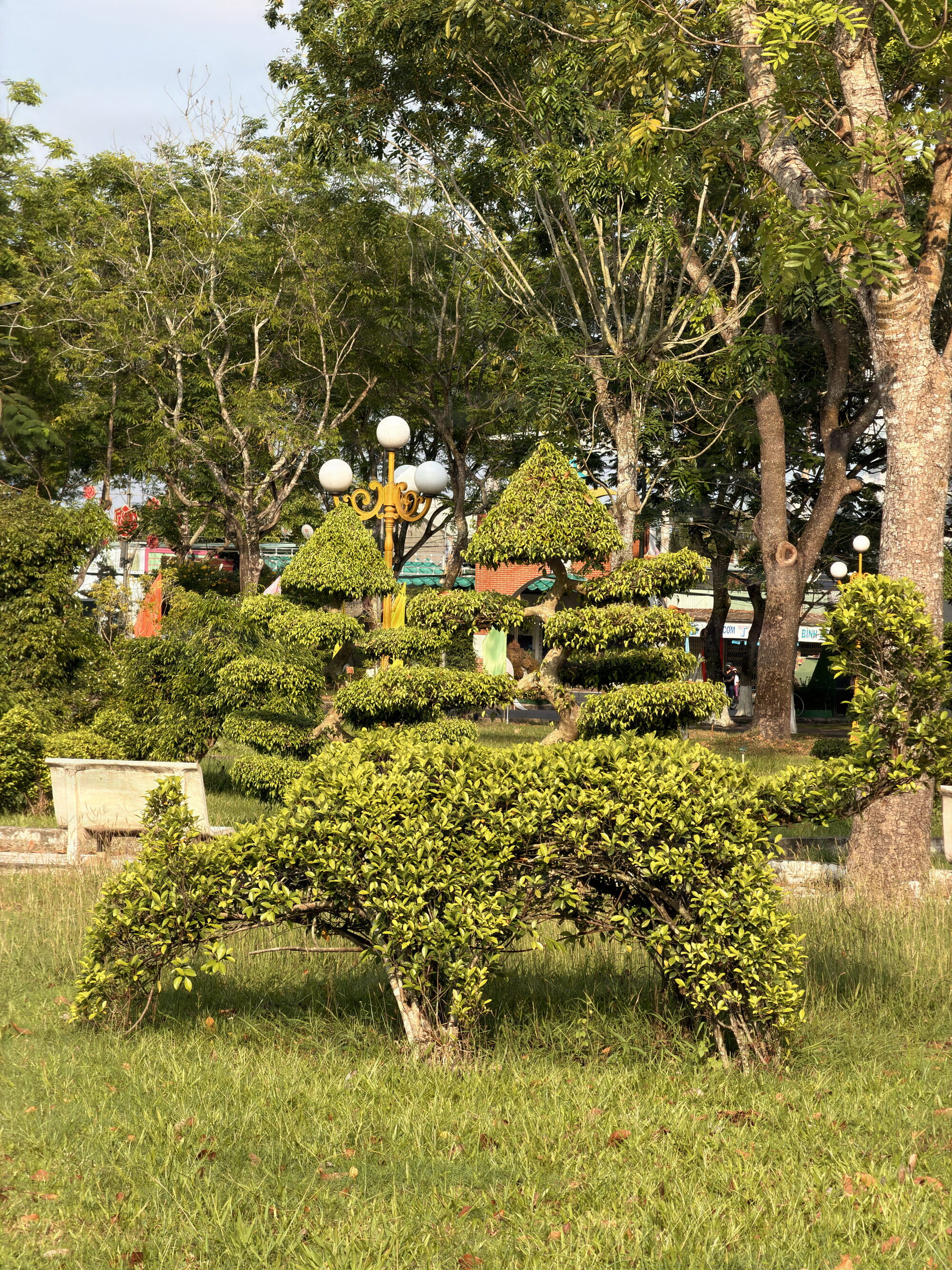
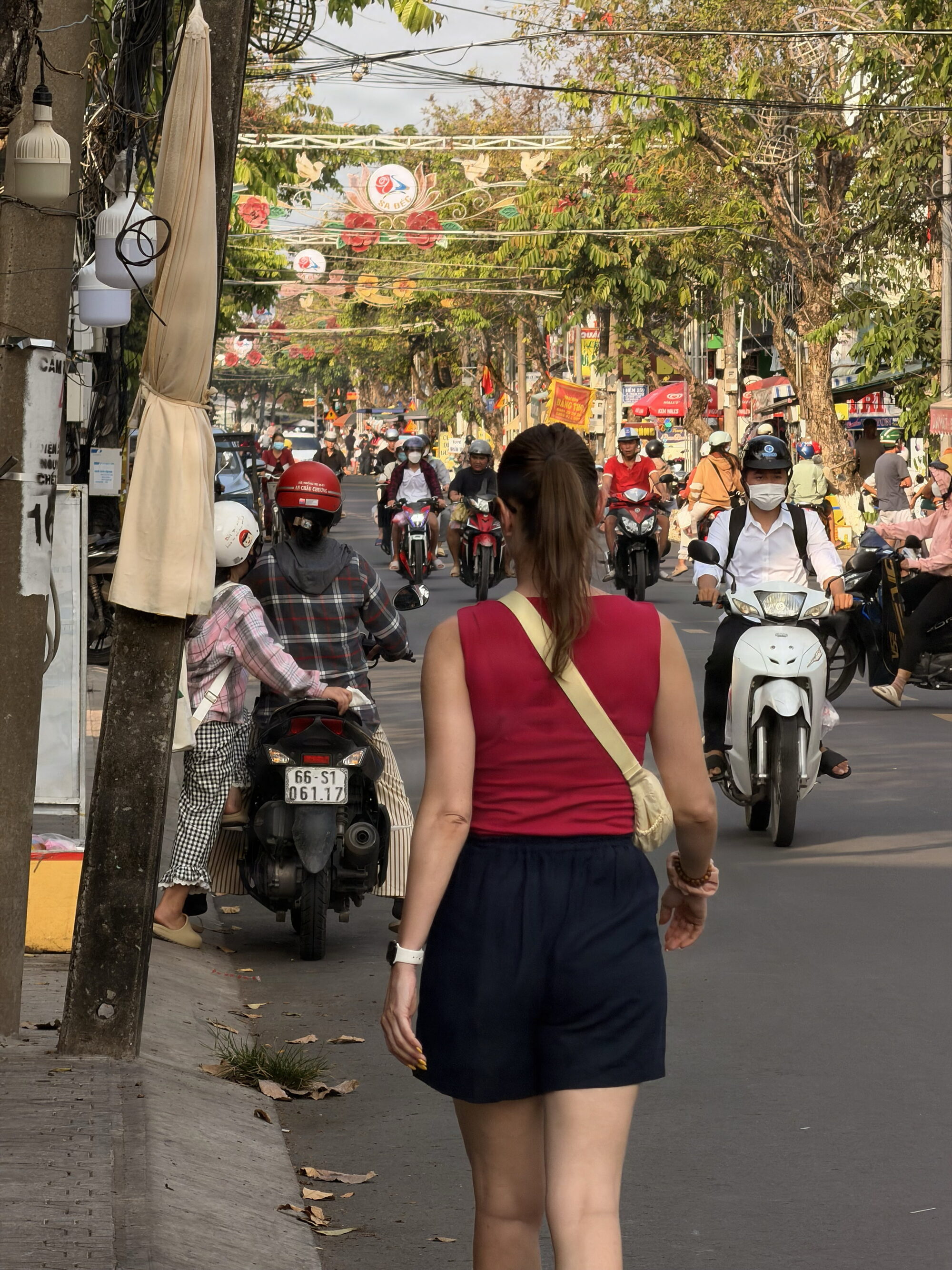
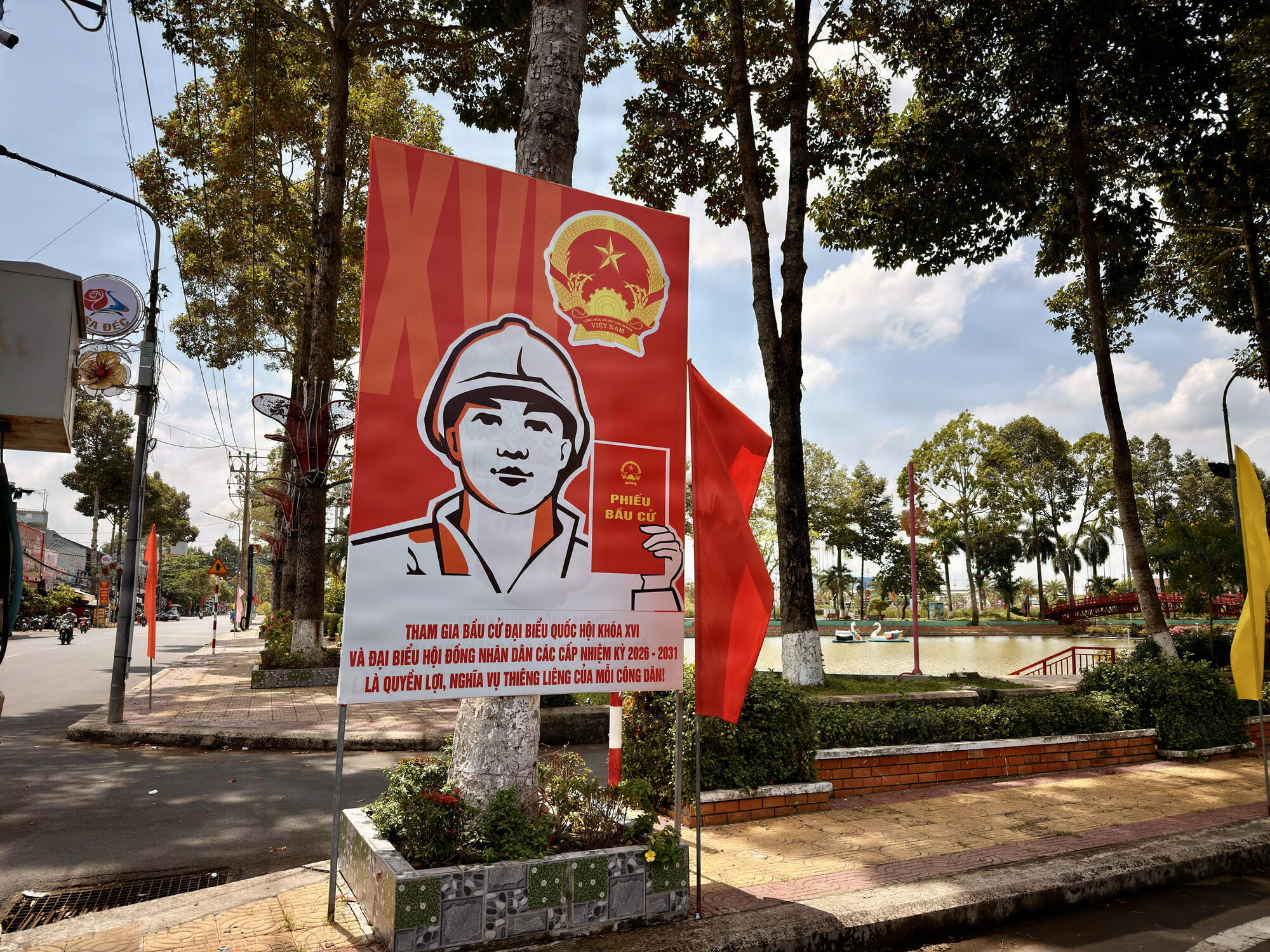
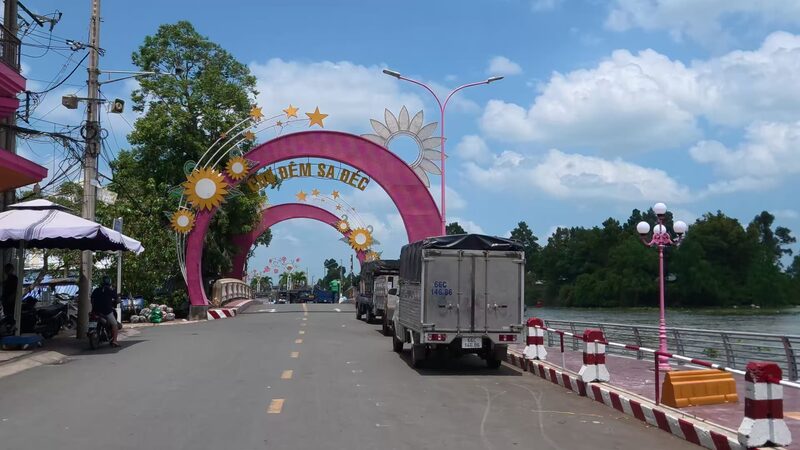
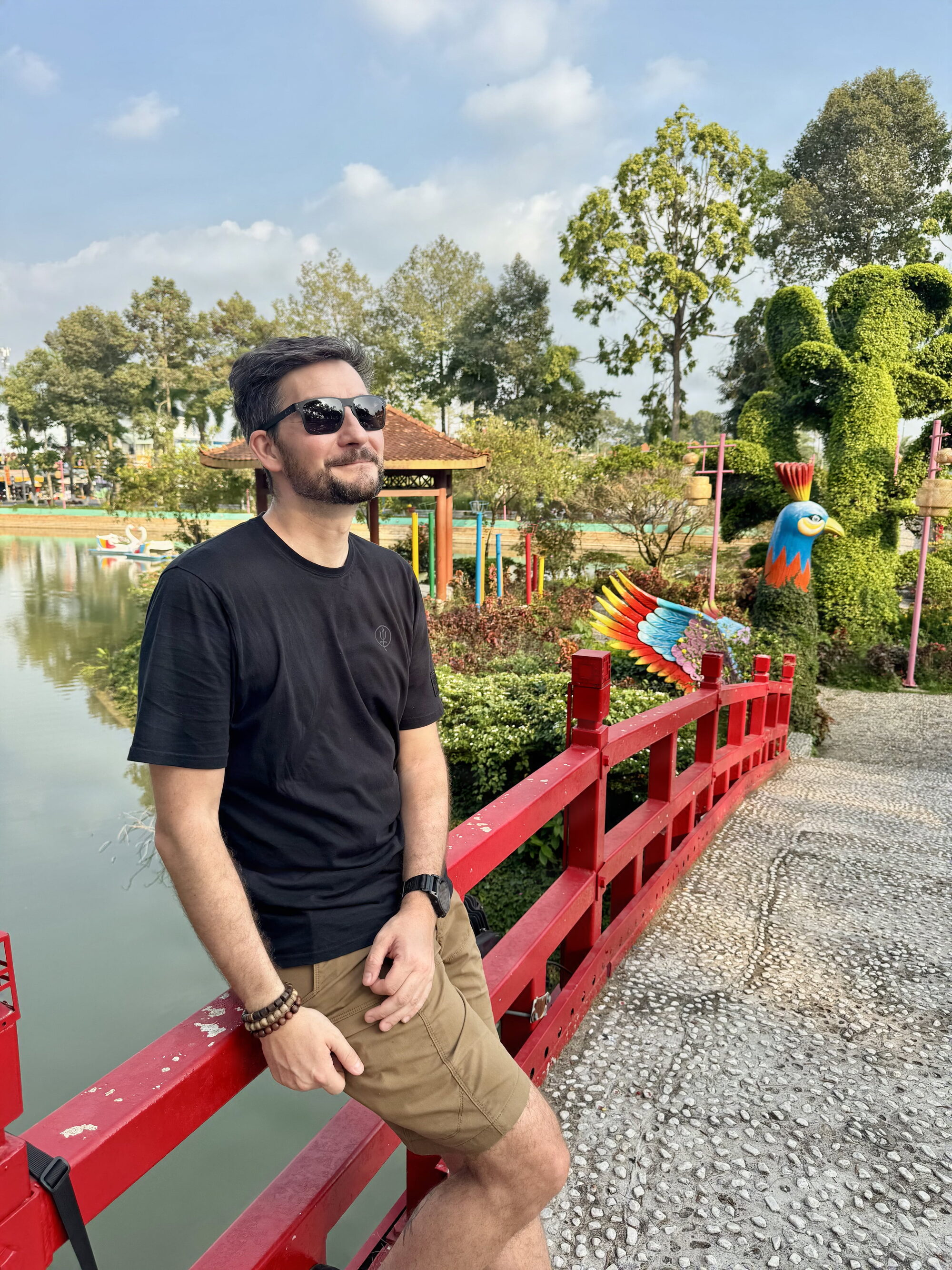
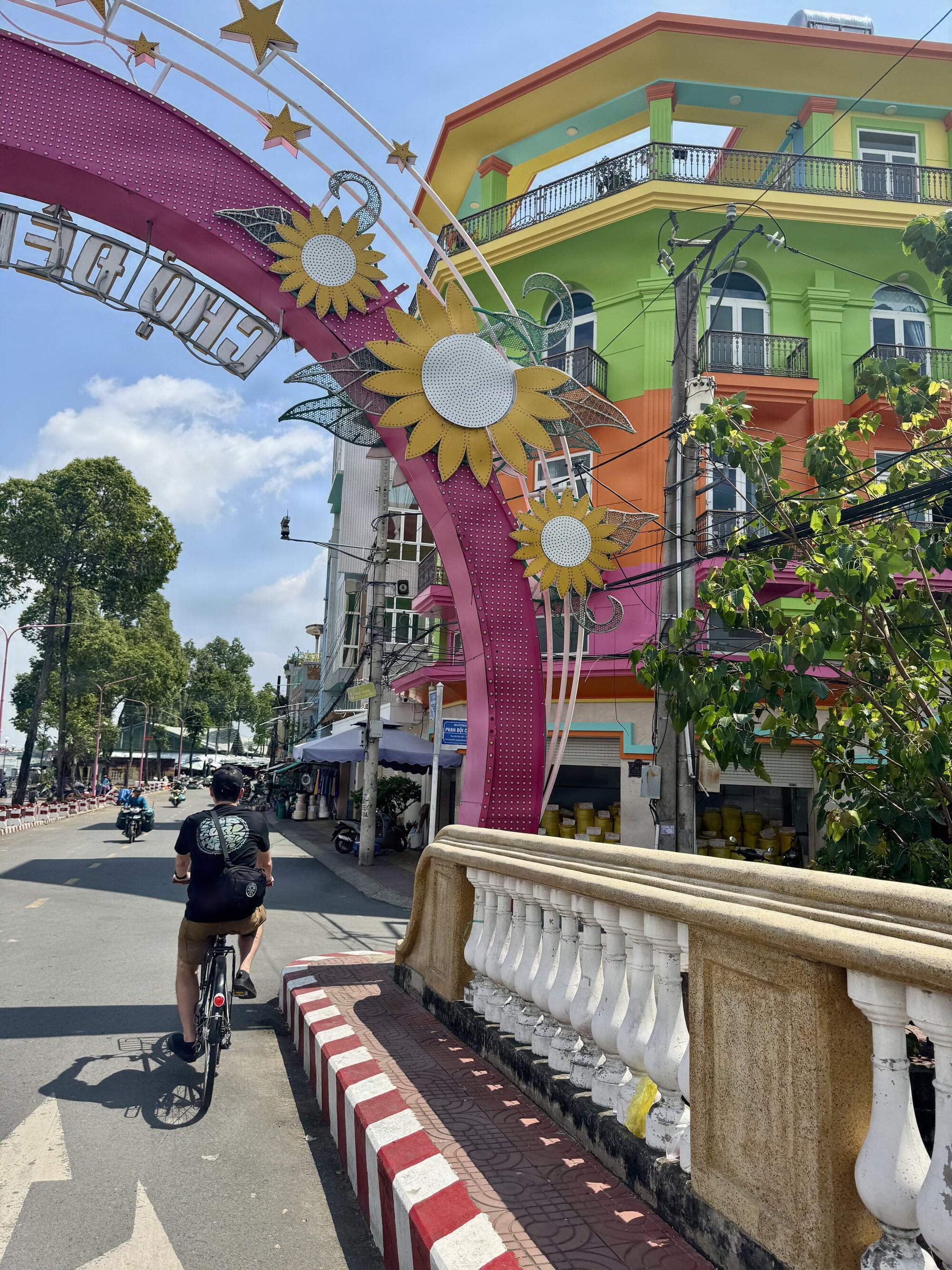
The city breathes flowers and colors. The first thing we noticed was a Sa Dec ParkCity parkĐ. Tôn Đức Thắng, Sa Đéc that looked so colorful we couldn’t skip it. We walked through, thinking that the decorations are a late reminder of Tết celebrated a few weeks ago, but the more we saw, the more we started to realise that this is a permanent instalation. The city simply loves to dress up in pretty things.


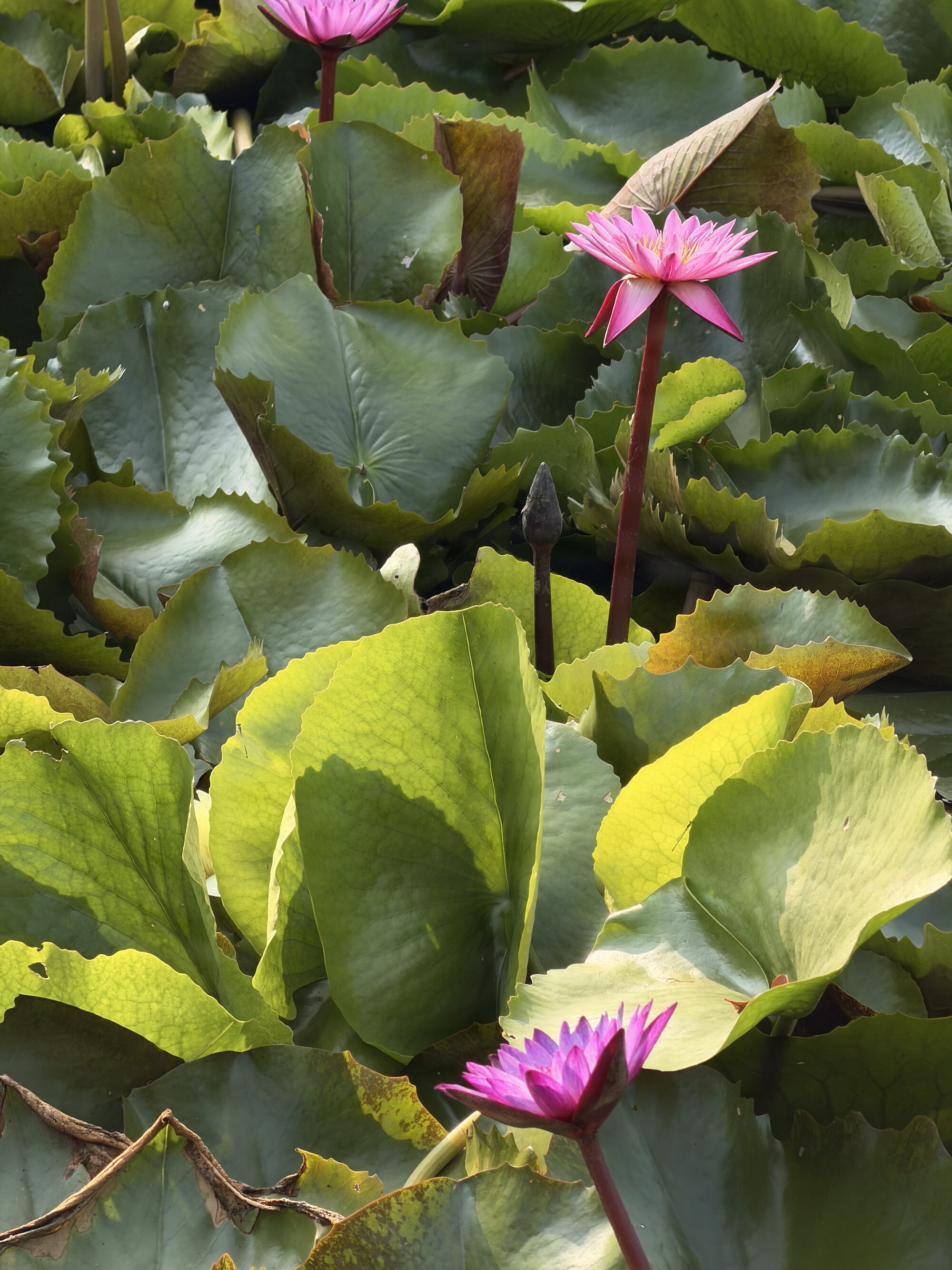
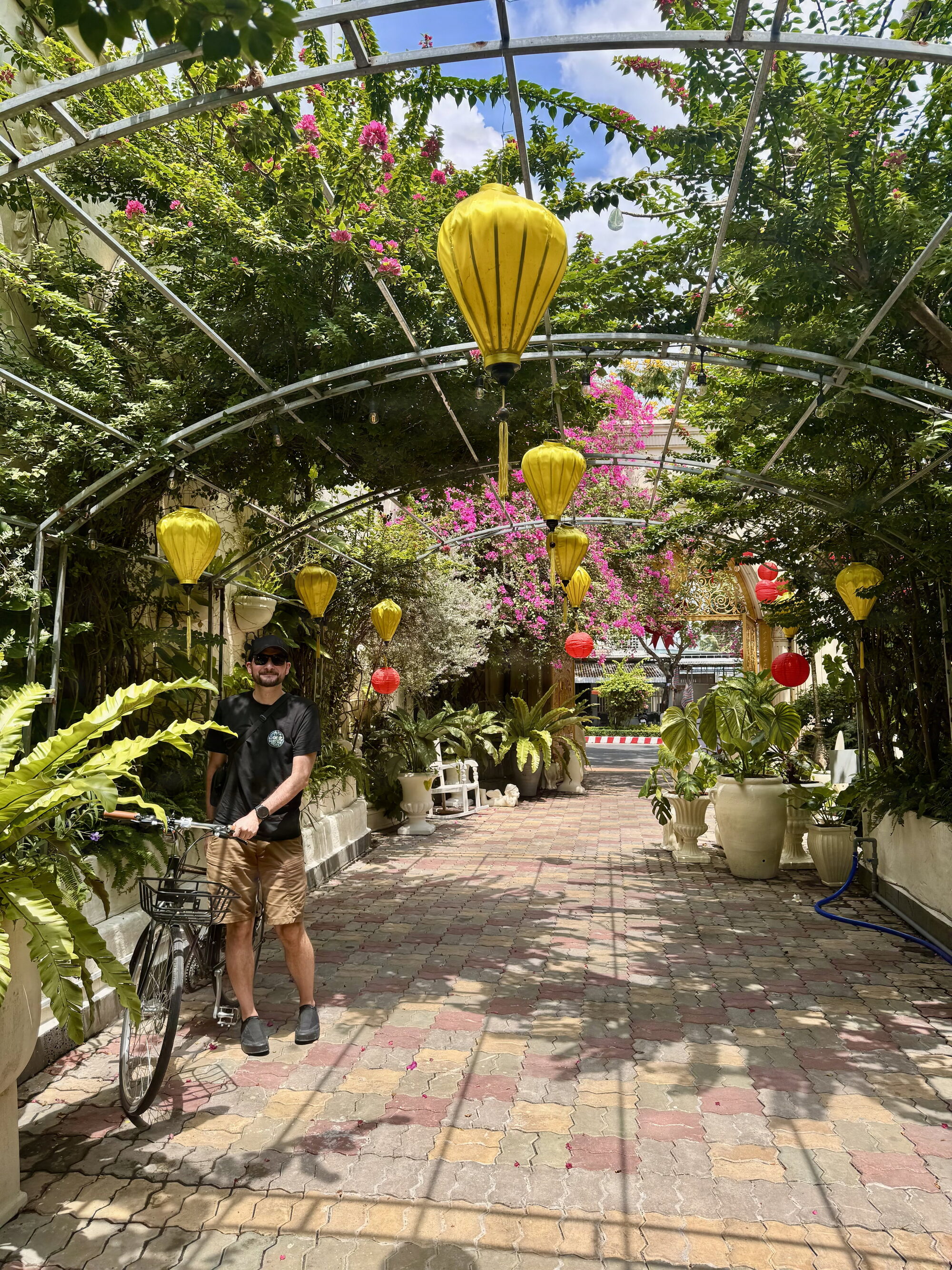
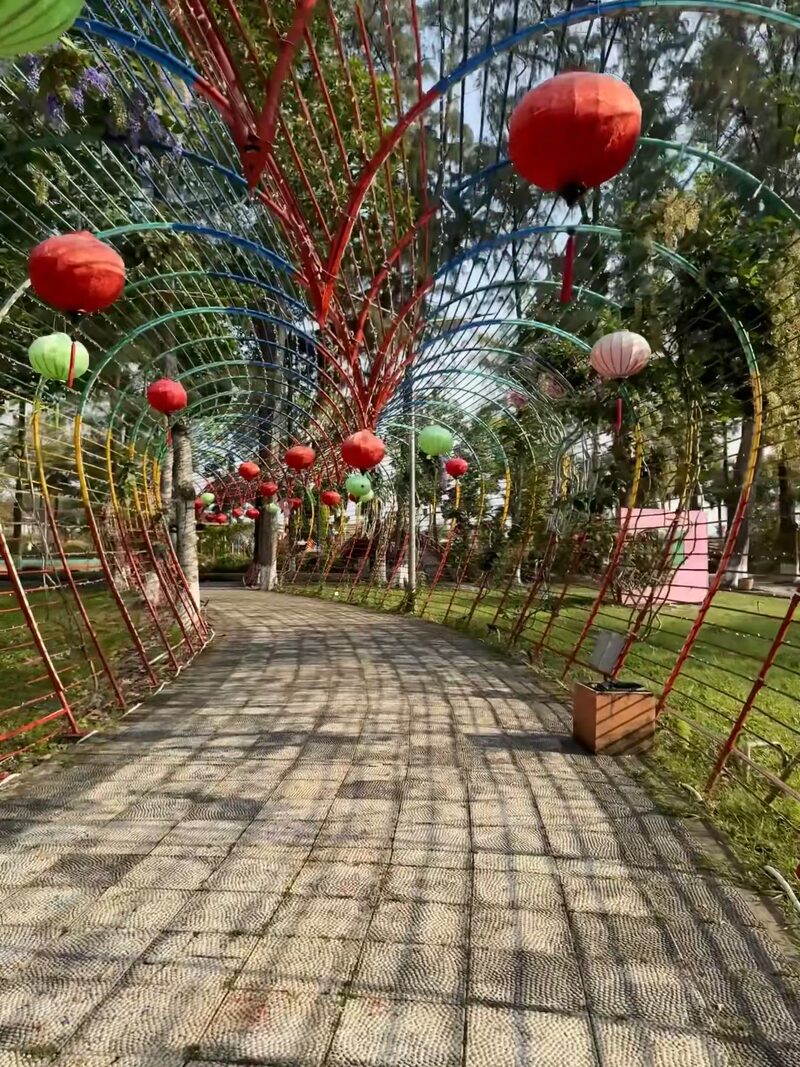
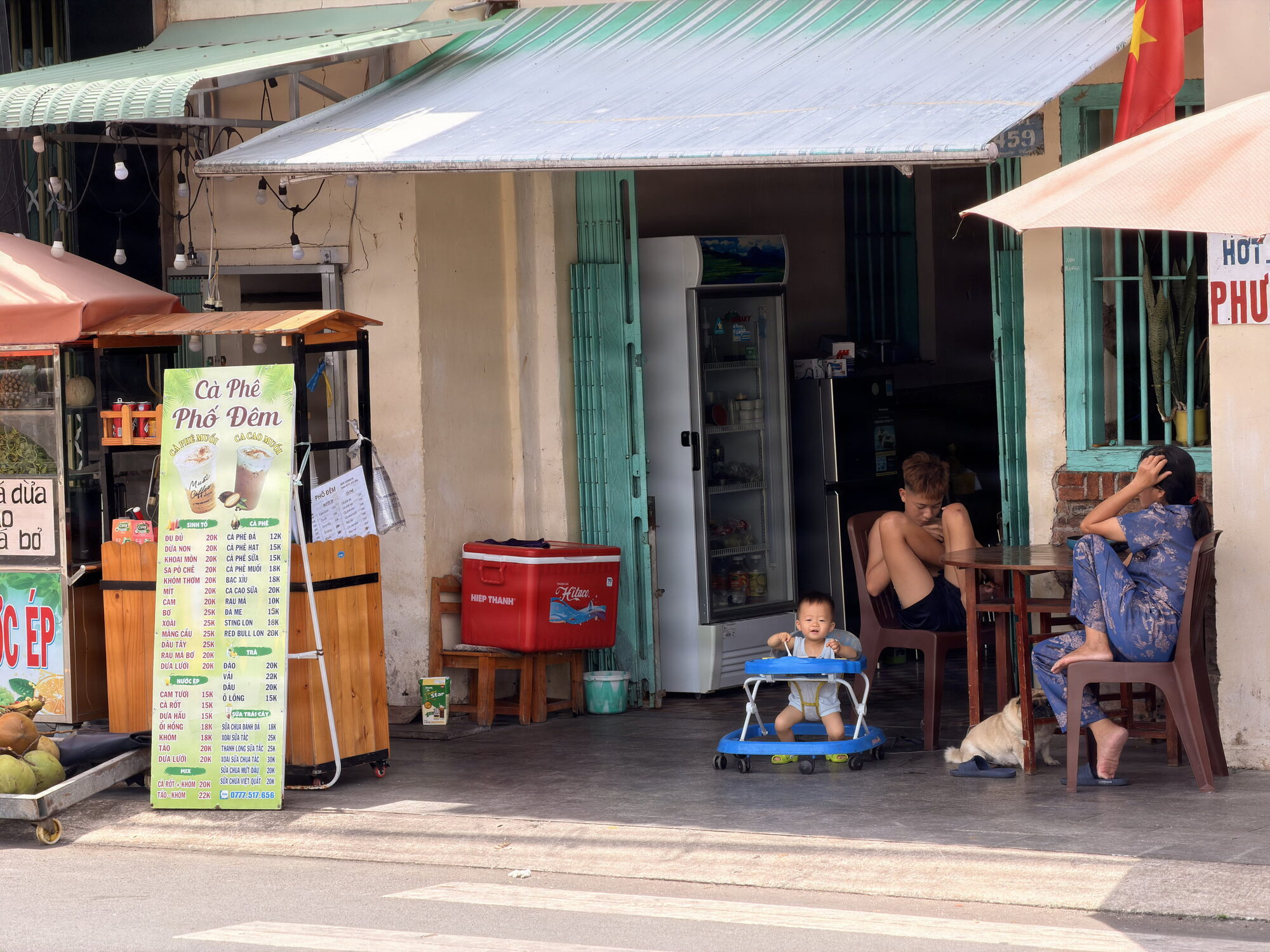
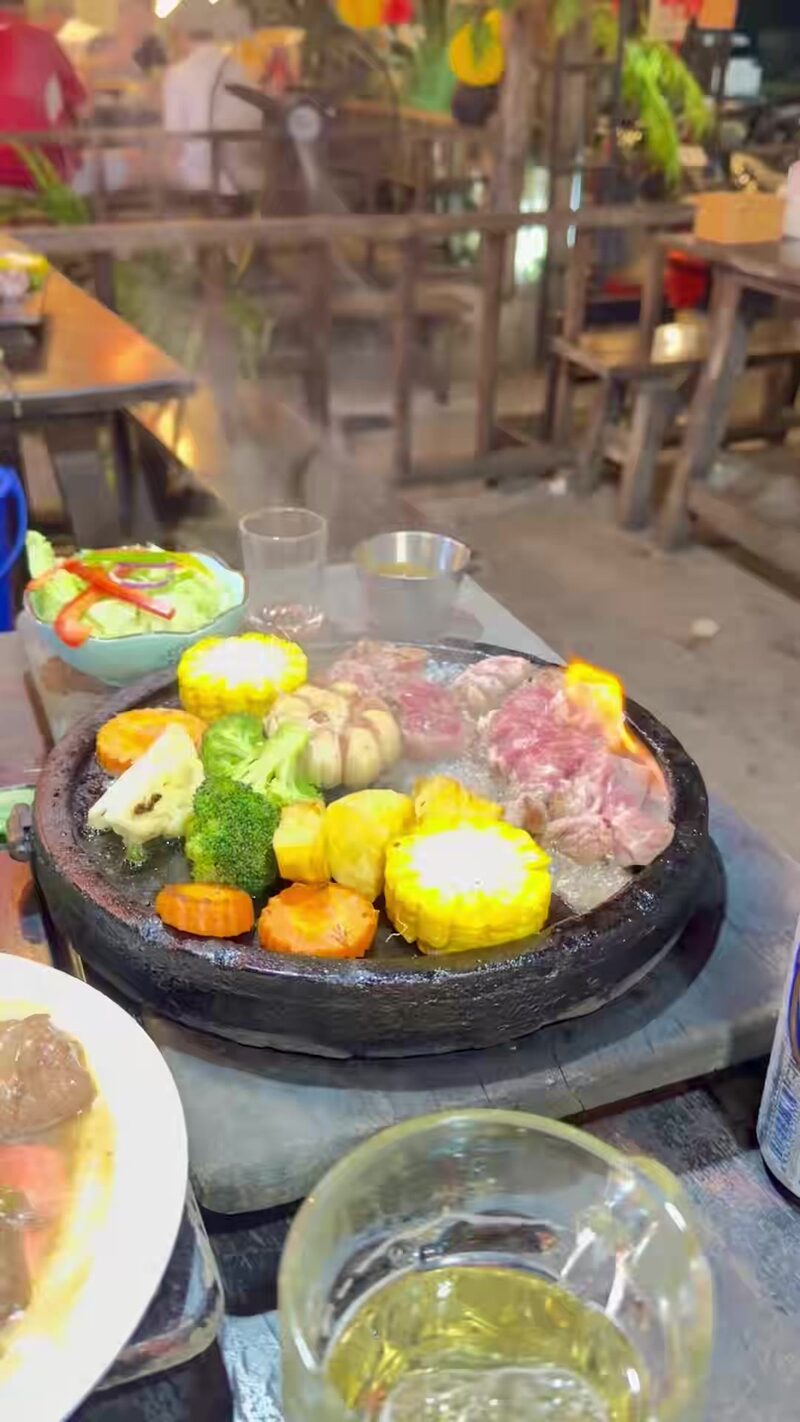
Our three days in Sa Đéc were an absolute treat. Again we spent hours on our feet wandering around, exploring, searching for food and coffee in the morning, and food and beer in the evening. The latter we enjoyed thoroughly and more than on one evening at Cô Bông Craft Beer & KitchenBrewpub261a Đường Lý Thường Kiệt, Khóm 5, Sa Đéc, a lovely little bar with seating on the curb which is perfect for people-watching and enjoying a cold beer after a long day of exploring.
Before Sa Đéc became known as the city of flowers, it seems to have been something much more practical: a Khmer river-market. The city’s name “Sa Đéc” is usually traced back to “Phsar Dek”, often explained as “iron market” though local versions also connect it to a Khmer water deity. Very Mekong, really.
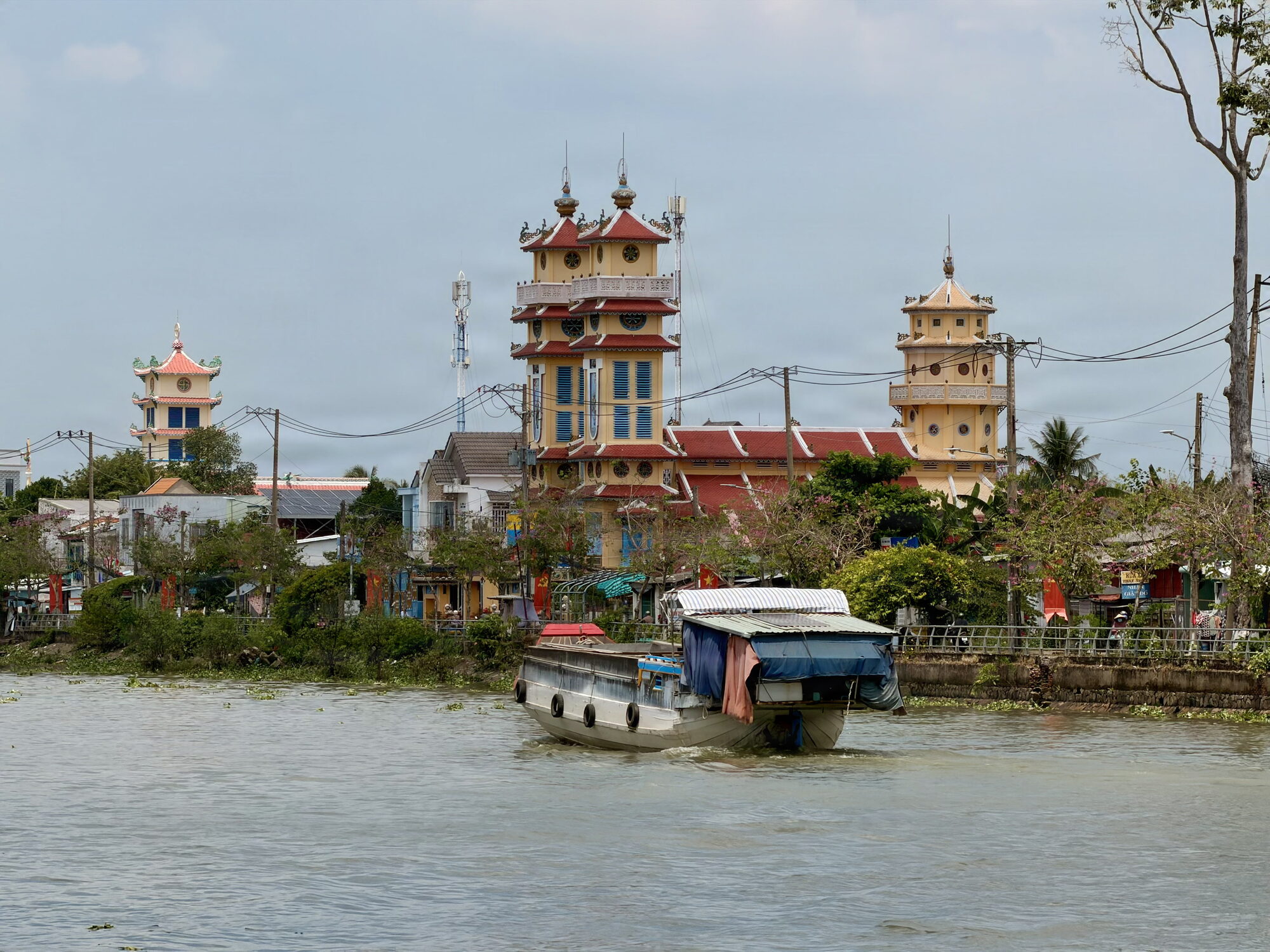
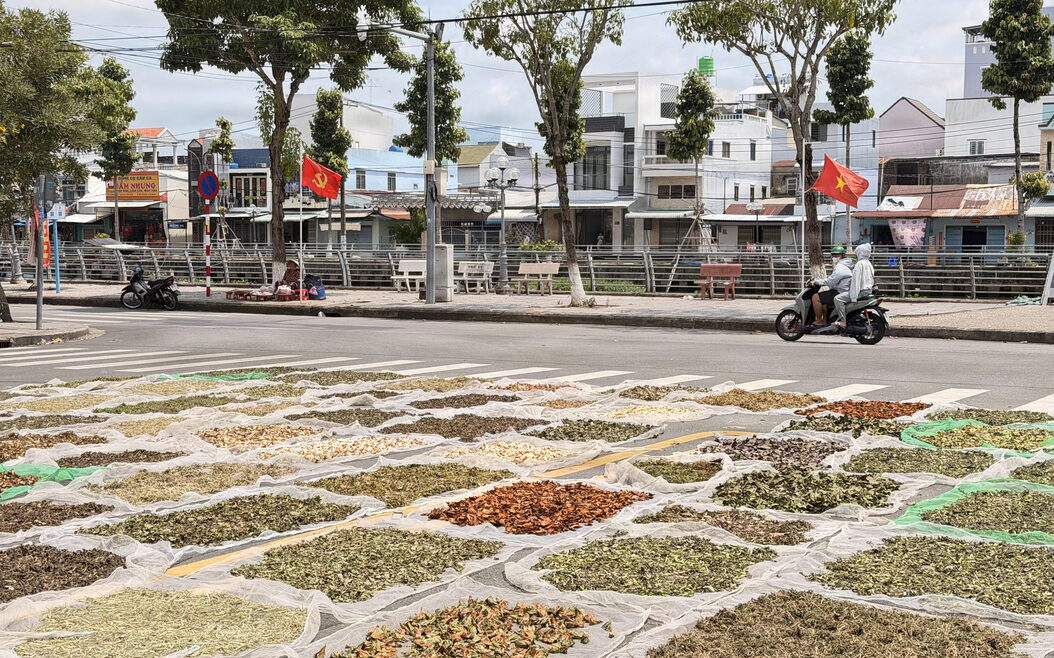
Later, Vietnamese settlers moved deeper into the Delta, Chinese merchant families left temples and old houses behind, and the French added their own layer of balconies, schools, and coffee culture. The city’s history is quite rich, and you can see it in the architecture, the food, and the way of life. It’s a city that has been shaped by its location on the Mekong river, its role as a trading hub, and its diverse population.

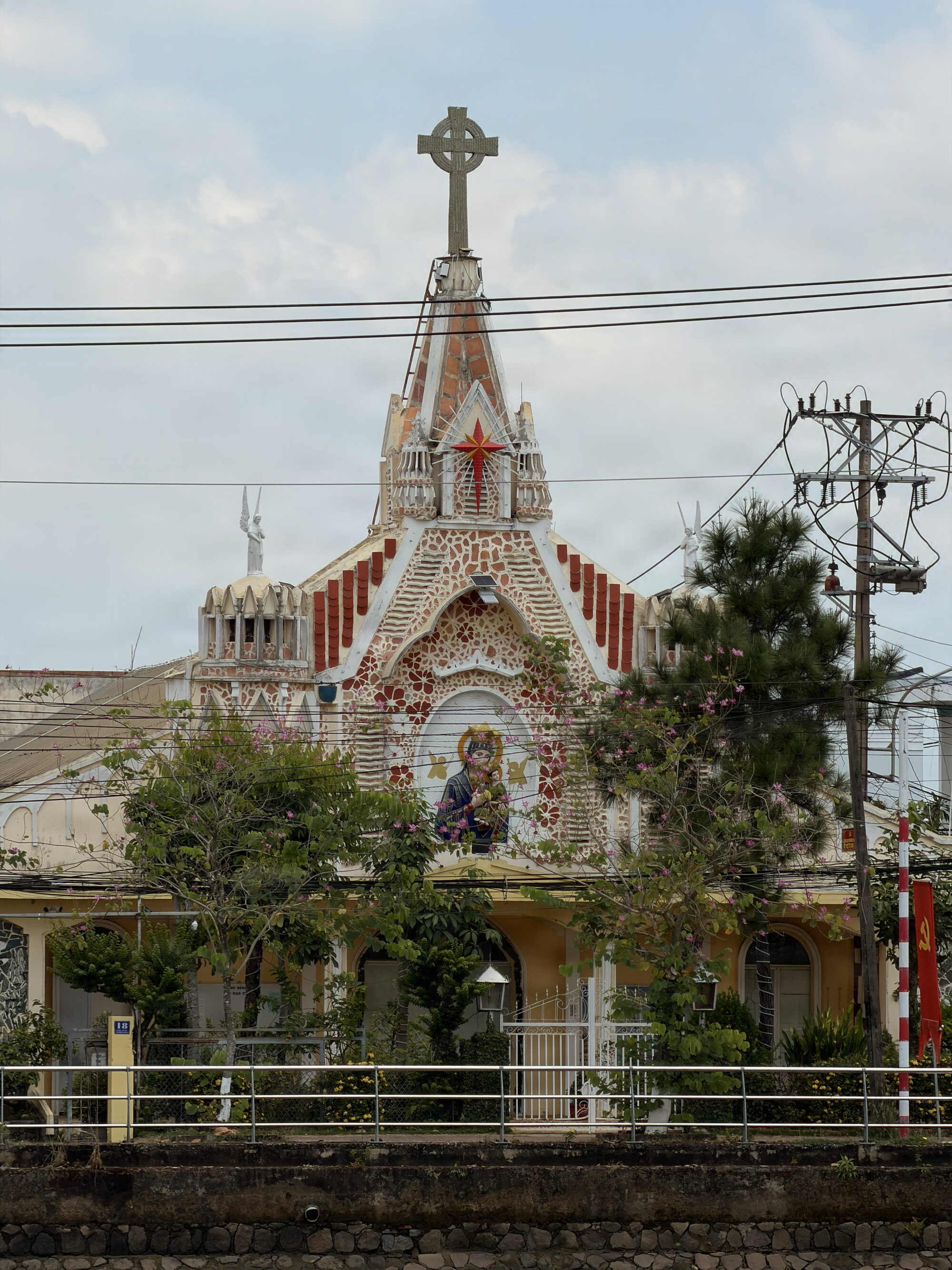
We couldn’t skip the flower market, of course. It’s a bit outside of the city centre, but it’s a must-see. It’s a perfect colorful explosion of flowers, plants, and gardening supplies, combined with the beautiful busyness of a typical Vietnamese market.

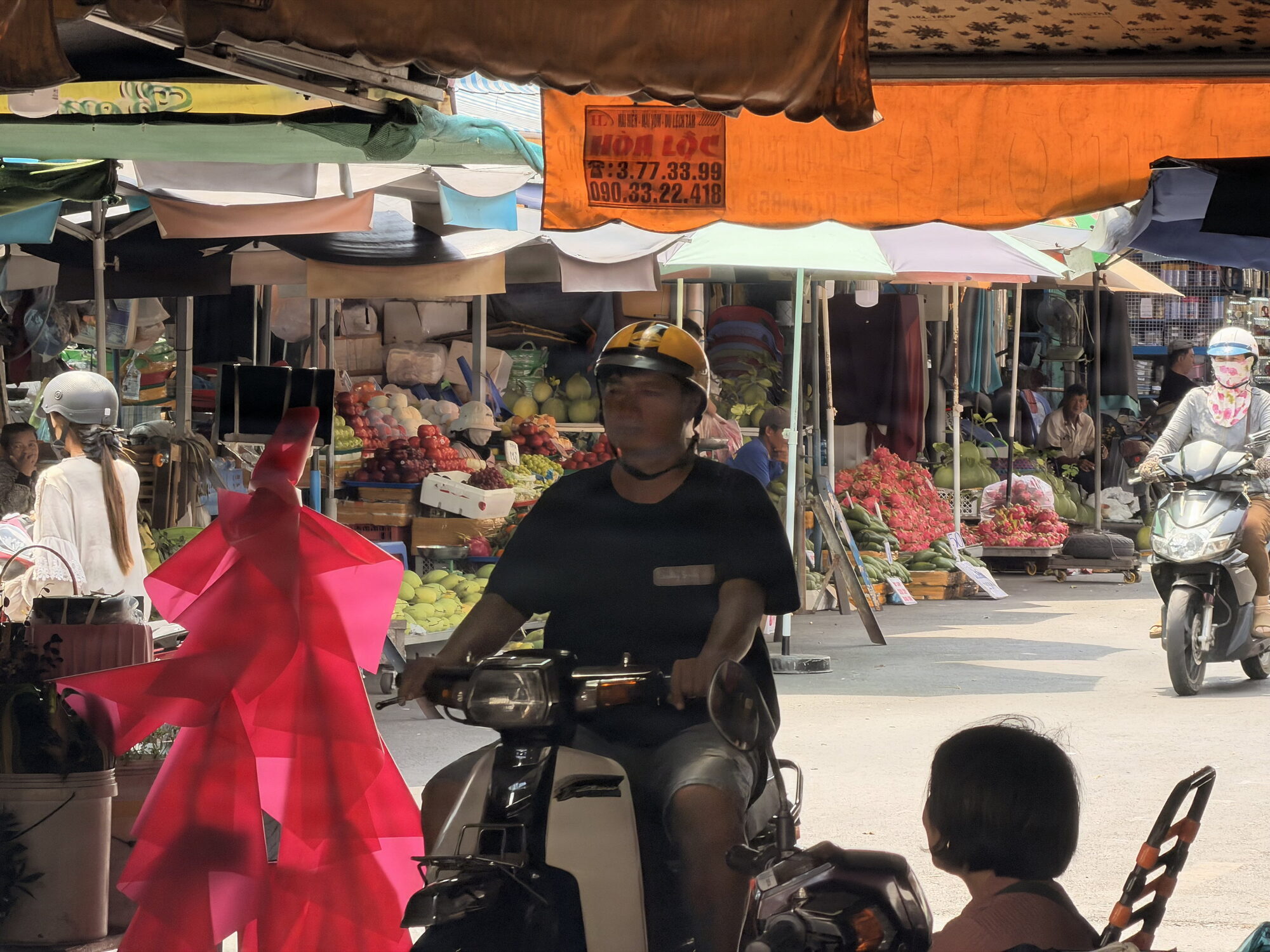
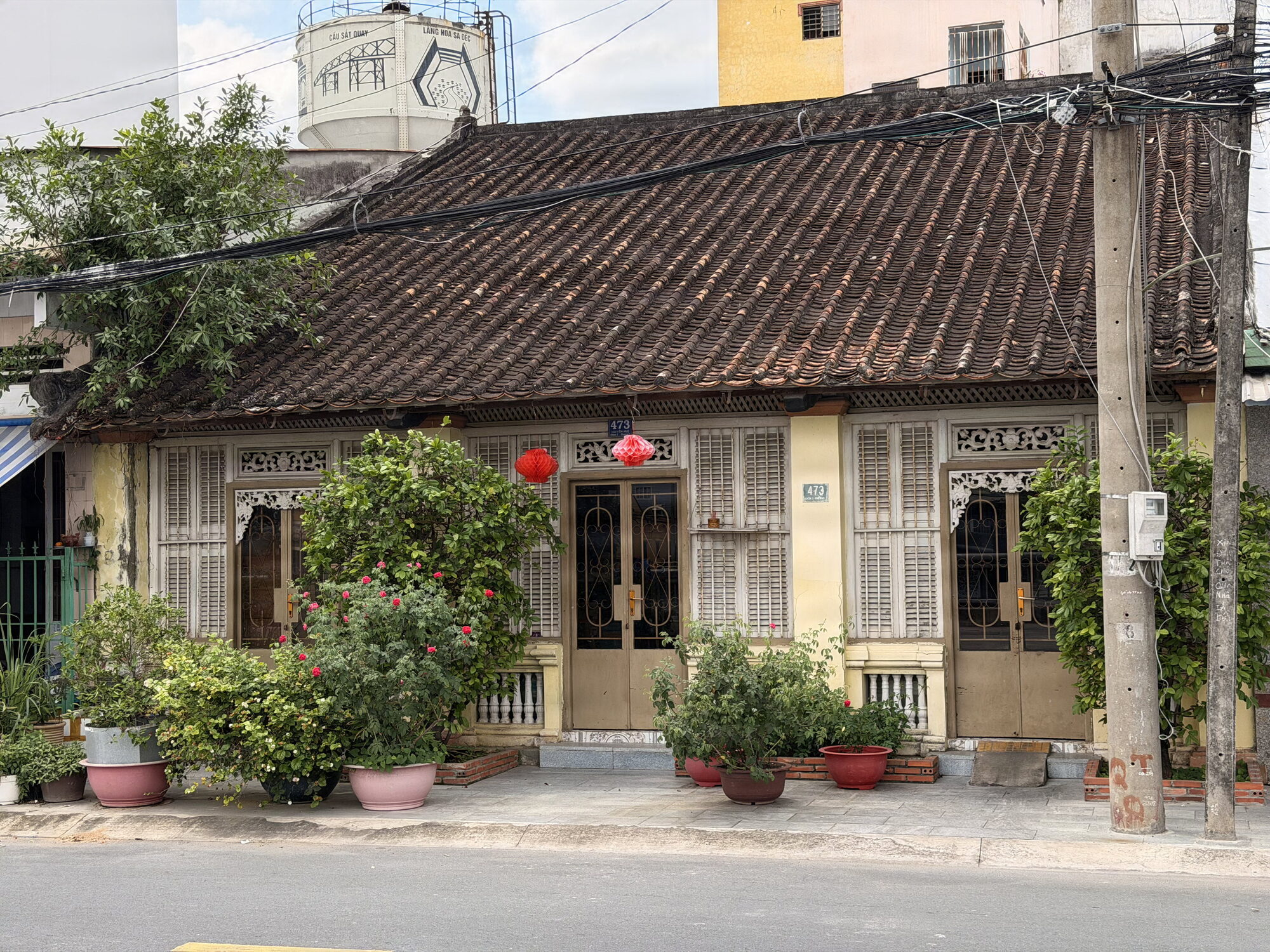
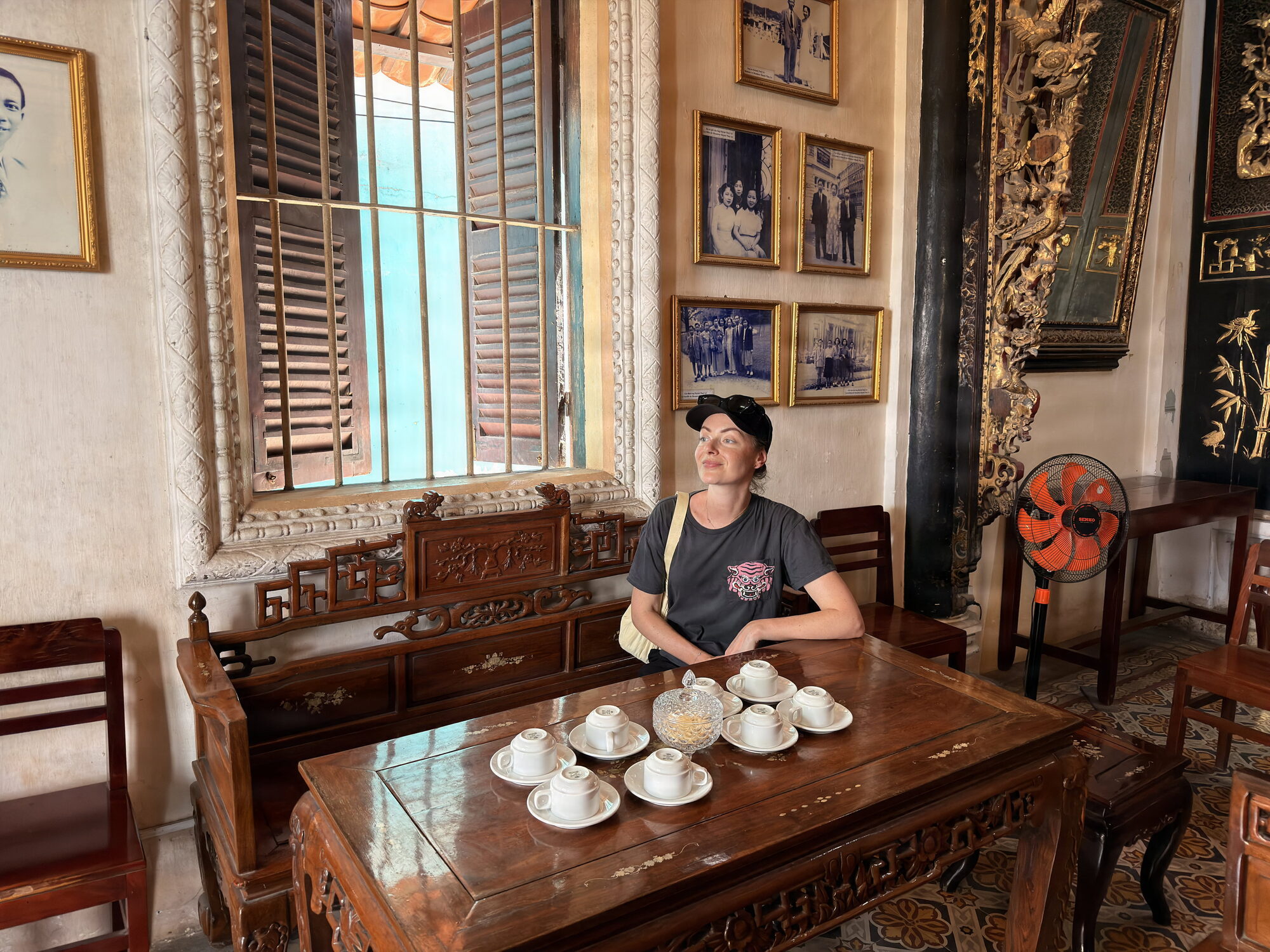
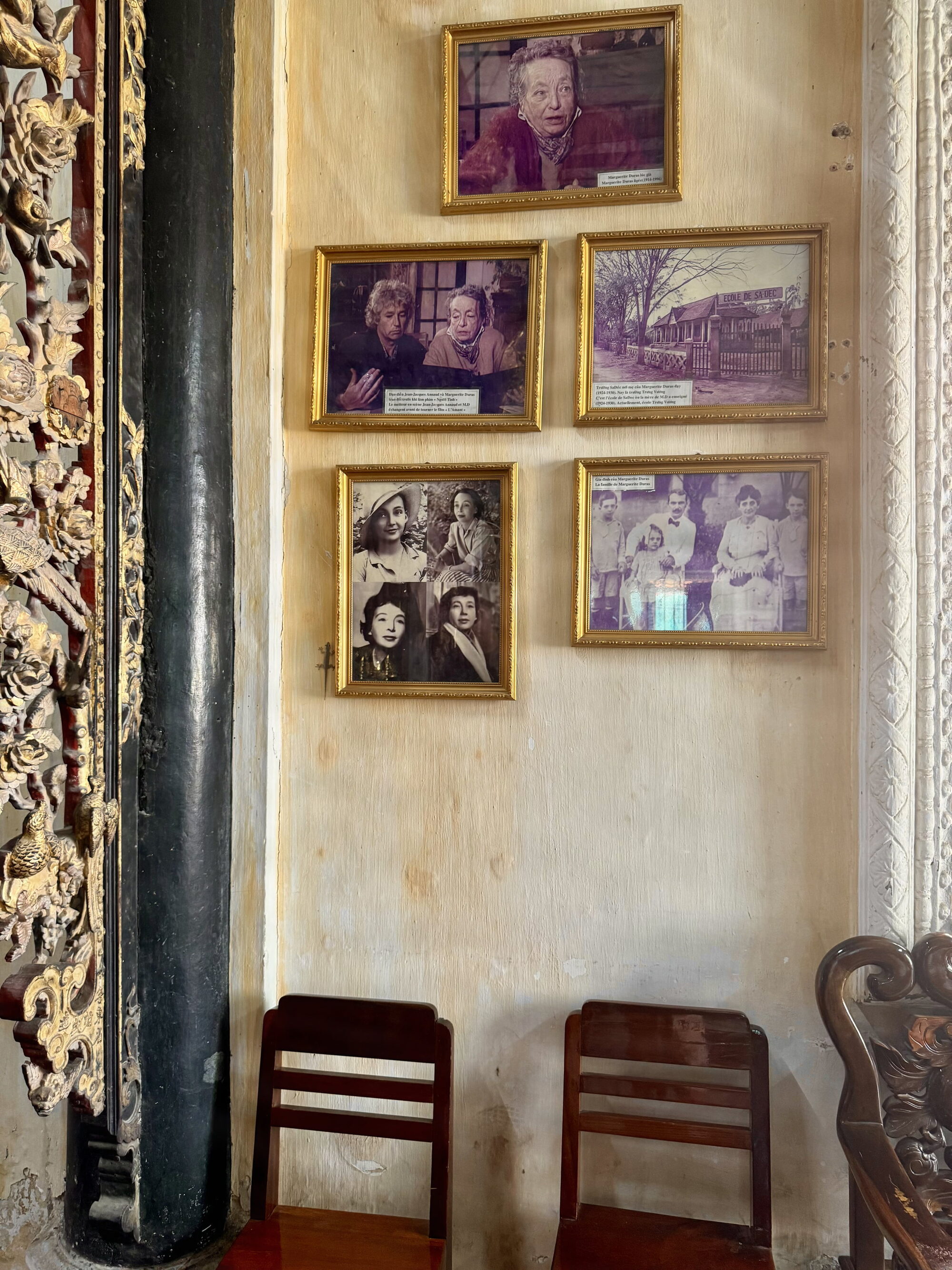
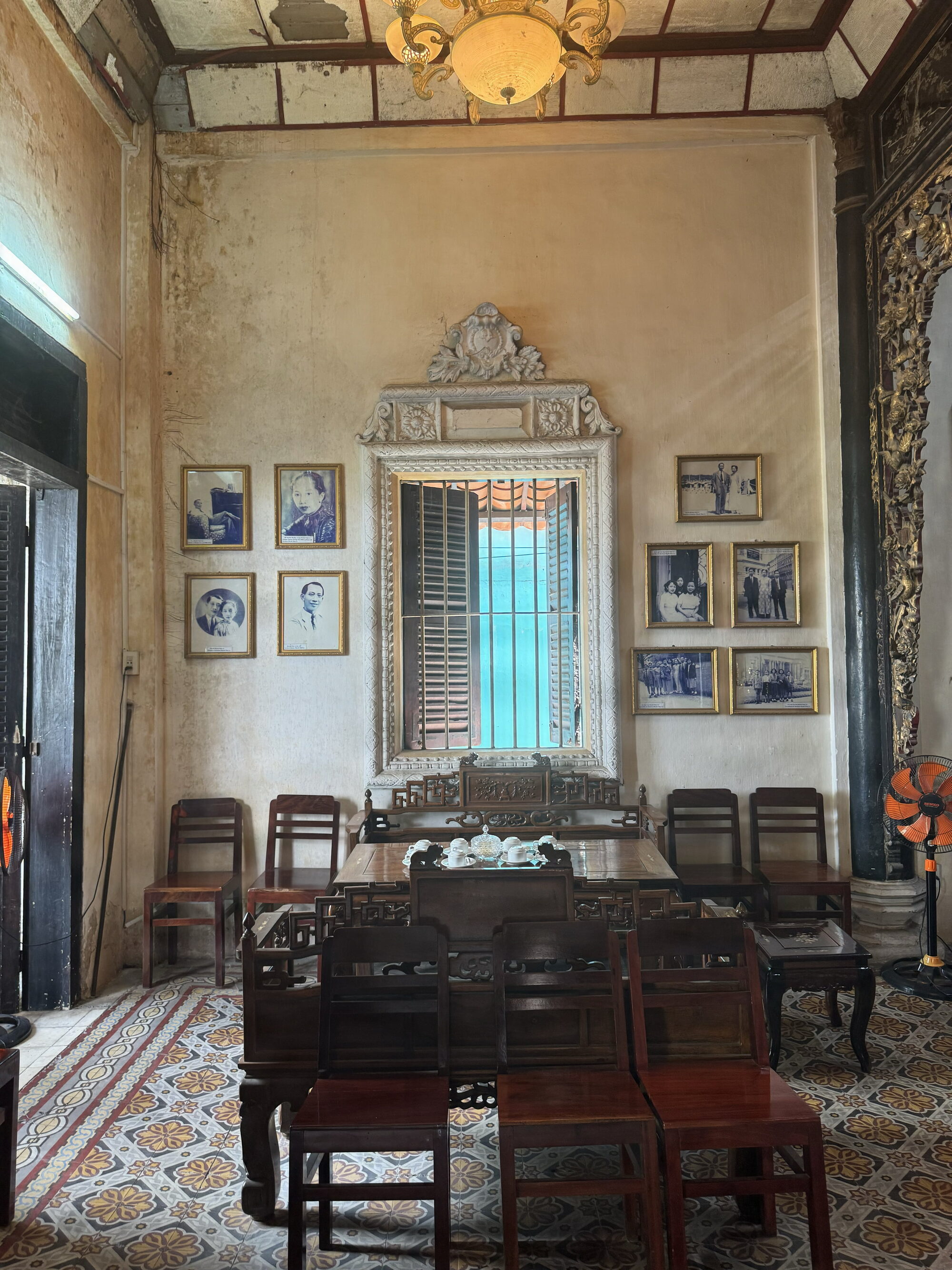
Speaking of French influence, one place worth visiting is the Nhà cổ Huỳnh Thuỷ LêCultural landmark255A Đường Nguyễn Huệ, Sa Đéc, a wealthy Chinese-Vietnamese merchant who built this beautiful villa in 1895. The house is a mix of French-colonial and traditional Vietnamese architecture, famous for being the setting of the novel “The Lover” by Marguerite Duras. The house is now a museum and it’s honestly beautiful inside and out. It was a quick stop (not much to do there besides admiring the architecture) but worth the ₫40,000 entrance fee.

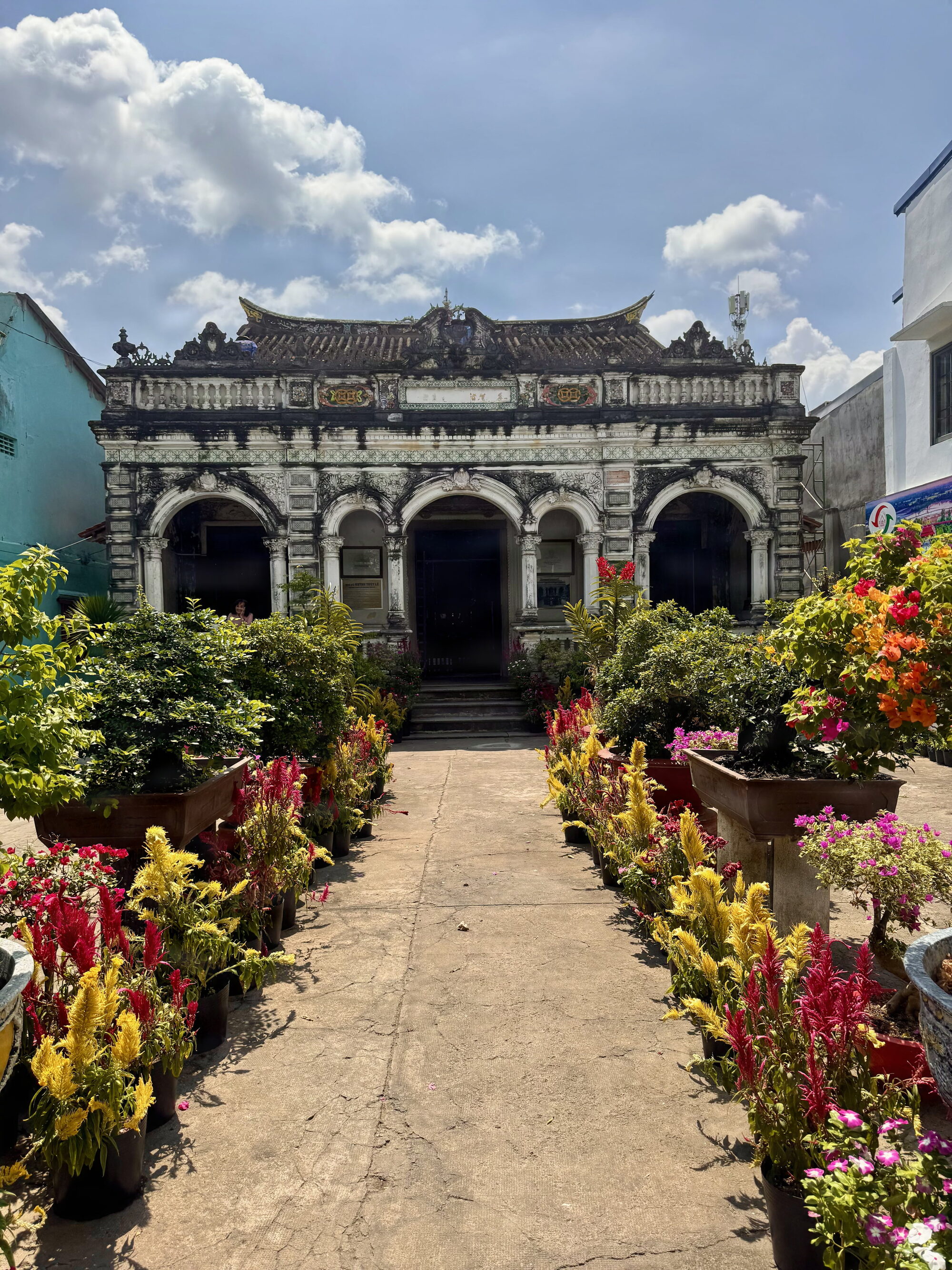
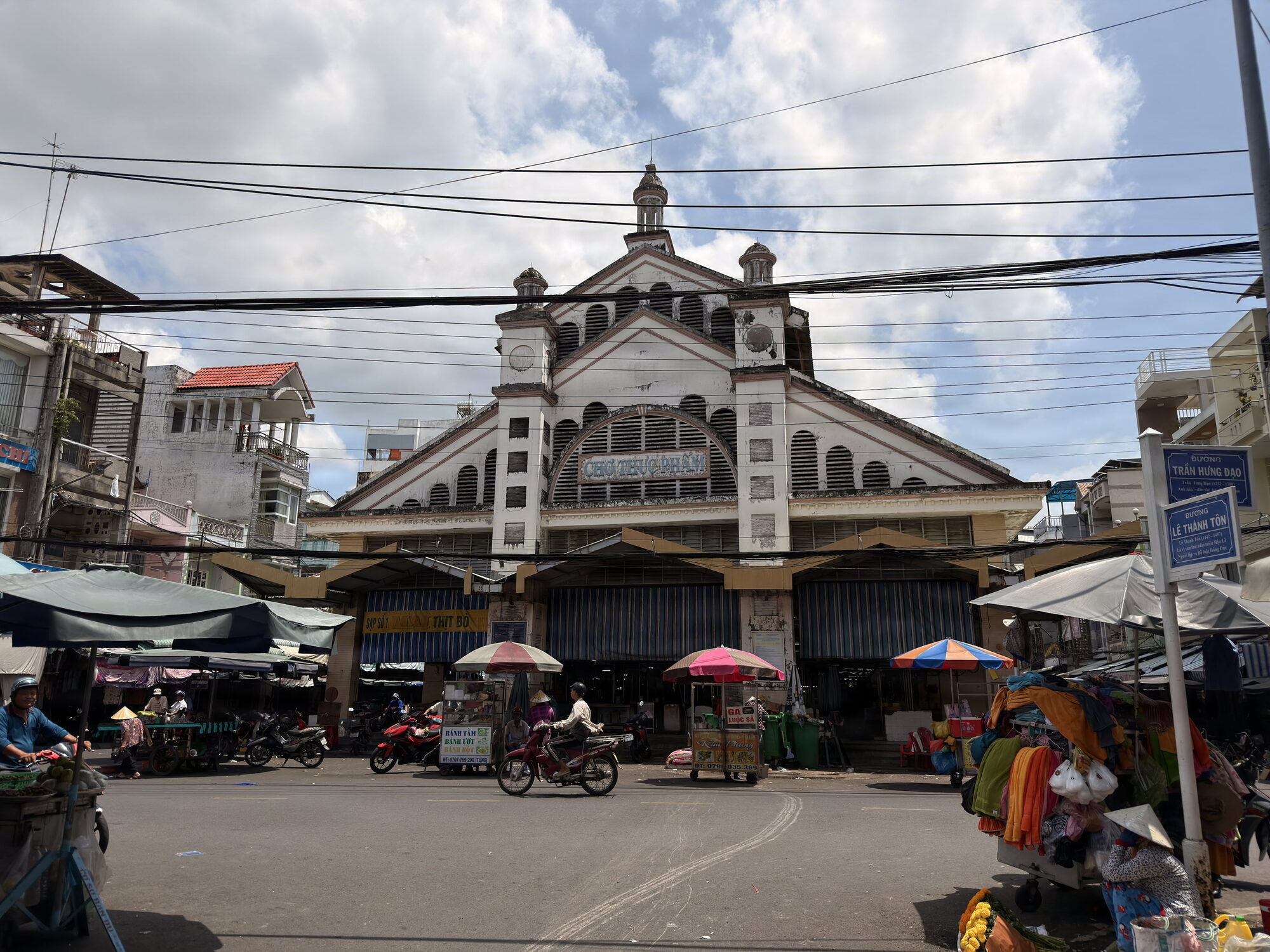
Of course we couldn’t skip the daily market! A typical, bustling, electric, alive Vietnamese market, with all the colors, fresh smells and noises, beautiful produce, fish, meats, and other goods, all arranged in a vibrant display, and beautifully enriched by the flowers. By now, you might be noticing a pattern — yes, we are obsessed with markets!


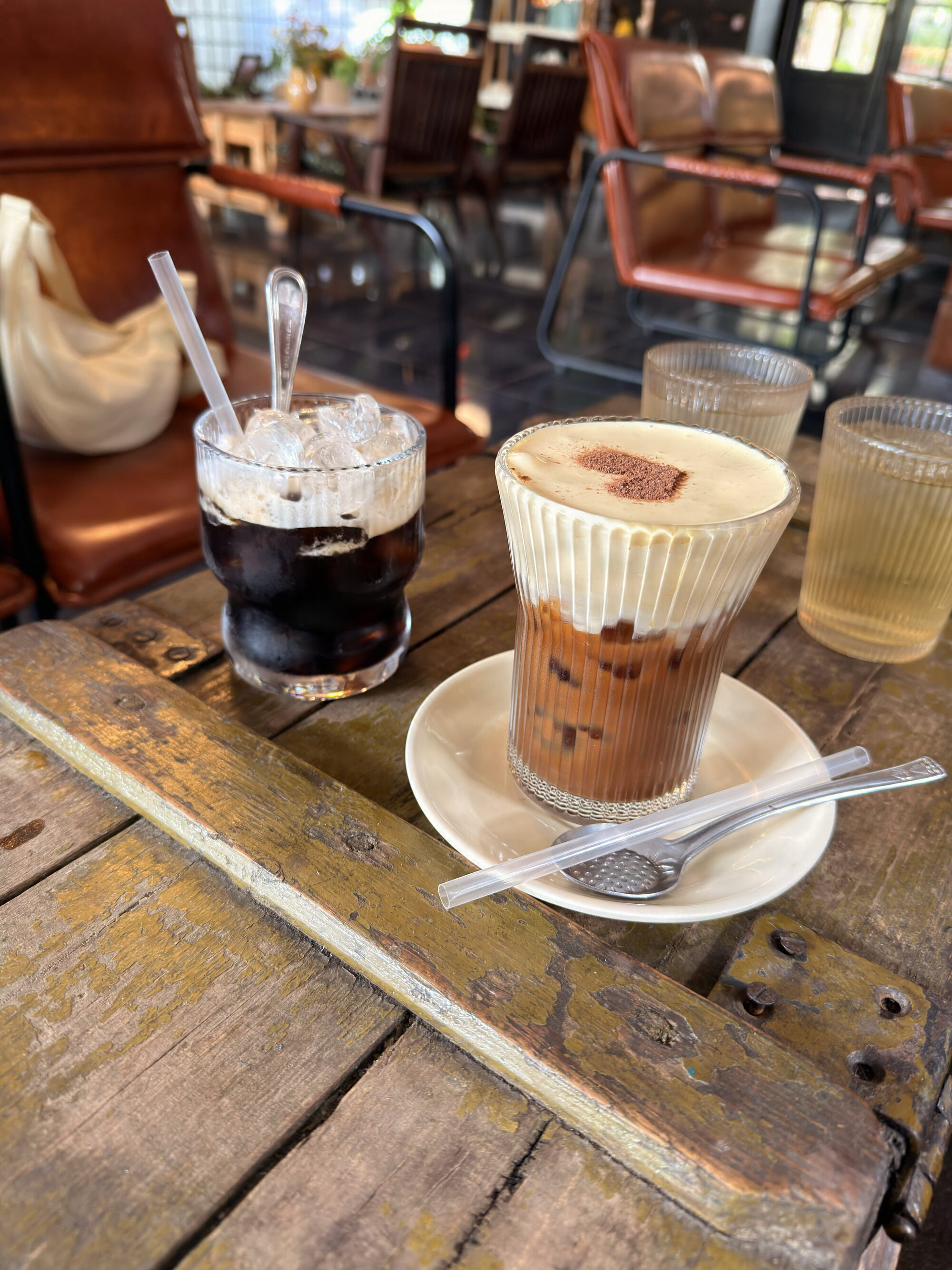
Besides the smell of flowers and amazing food, we also enjoyed the coffee culture. We picked a new place every day and not one of them served us a bad coffee. Sometimes we went for the most local copper drip, sometimes delicious Vietnamese specialties like salt coffee or egg coffee (Alex in particular is a big fan of egg coffee, and swears by it as the best breakfast), sometimes we let the baristas surprise us with their creations, and we were never disappointed.
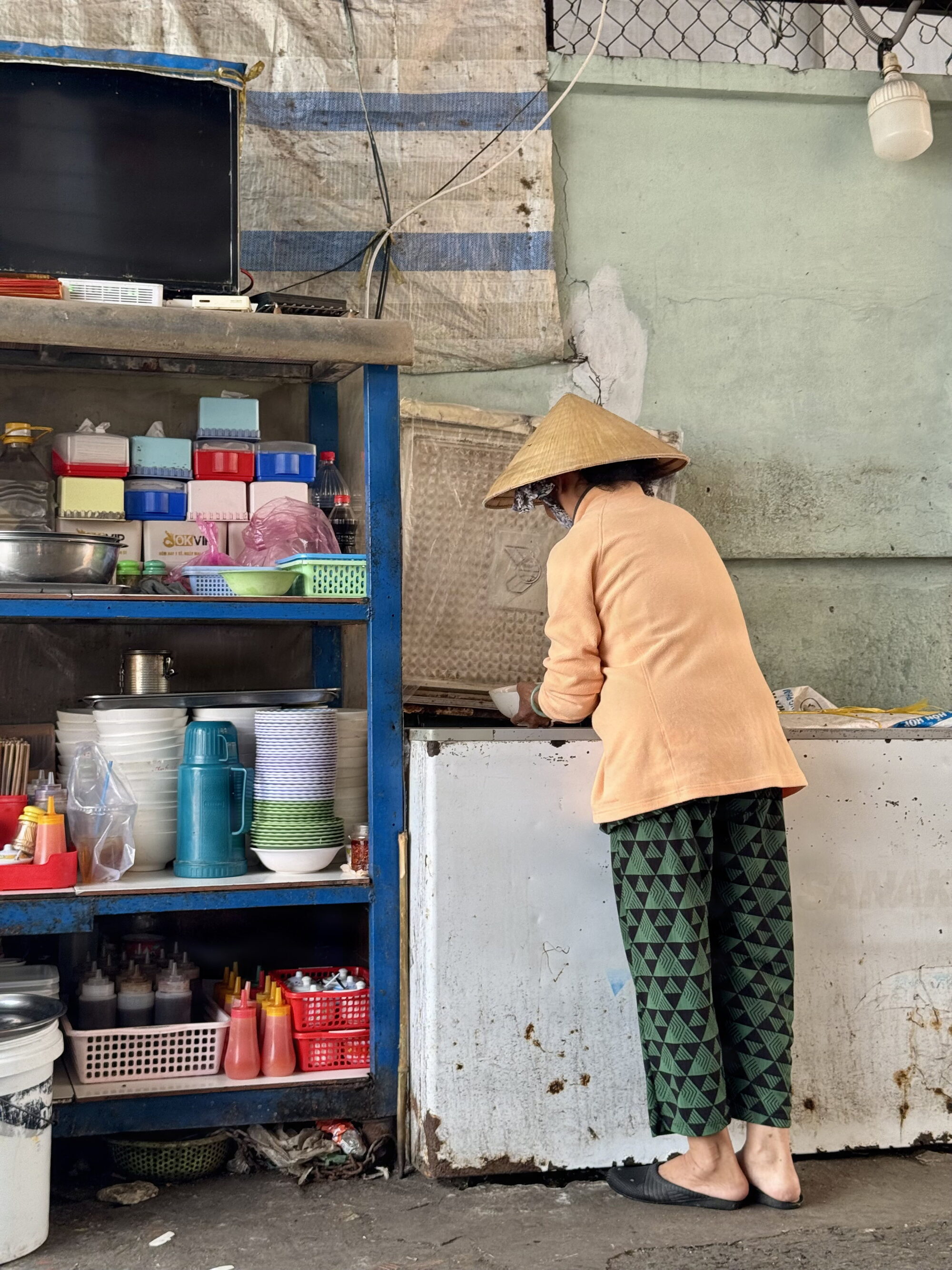
The only thing Erika would have loved to pair the coffee with was a small breakfast — croissant or eggs, anything really, just not a beef stew or Pho every day. After some time she really just wanted something that wouldn’t be considered a dinner main course in Europe. Though a Bánh mì usually saved the day!

We loved our time in Sa Đéc! There’s something about this city that we can’t quite put into words — it just feels calm, authentic and full of character.







Leave the first one below
Join the conversation
No comments yet. Be the first to comment.